Get Full Government Meeting Transcripts, Videos, & Alerts Forever!
Get email alerts on the Tax Policy topic
No spam. Unsubscribe anytime.
Public speakers urge council to reject cannabis tax increase as council advances consent agenda
Summary
During public comment on the consent agenda, dozens of speakers urged the council not to raise the city's cannabis business tax, warning it would hurt patients, small businesses and equity beneficiaries; council advanced the consent agenda while one councilmember registered opposition to the tax increase.
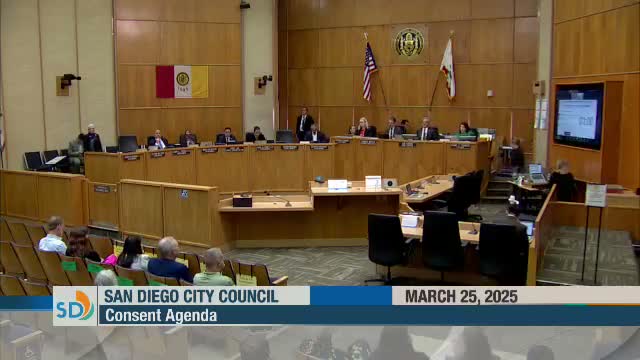
Public comments at the March 25 meeting focused heavily on agenda item 52, a proposed increase in the city’s cannabis business tax. Dozens of callers and in-person speakers told the council that raising the tax would push consumers to the illicit market, reduce revenues from licensed businesses, and harm patients and equity-focused operators.
Speakers included veterans, public-health researchers, business owners and social-equity advocates. Meegane McCall, a veteran and District 4 resident, said the tax would again ask vulnerable communities ‘‘to bail out the city on the backs of the patients and small businesses.’’ Several speakers asked the council to fully implement the city’s social-equity program before raising taxes.
Council consideration and vote: The consent agenda motion was made and seconded by councilmembers Campbell and Pro Tem Lee. Councilmember Foster stated he would register a no vote on item 52 in the record. The clerk recorded the consent vote; staff moved the consent items forward and noted the council’s disposition on the record (see structured actions). Council discussion afterward noted the public’s concerns and the need for coordination on equity programs.
Next steps: Several public speakers urged the council to expand social-equity licensure, explore consumption lounges and avoid policies that could push consumers to unregulated supply chains. Councilmembers said they would continue to weigh equity and revenue trade-offs as the budget process proceeds.