Get Full Government Meeting Transcripts, Videos, & Alerts Forever!
Get email alerts on the Procurement topic
No spam. Unsubscribe anytime.
Council approves higher procurement thresholds after one dissent
Summary
The Washington City Council voted 7–1 to raise staff procurement approval limits—placing larger purchases under administrative authority and prompting objections about reduced transparency and bidding safeguards from one councilmember.
The Washington City Council approved an ordinance on second reading increasing the city's procurement approval thresholds, a move supporters said will speed purchasing and opponents warned could reduce competitive bidding and council oversight.
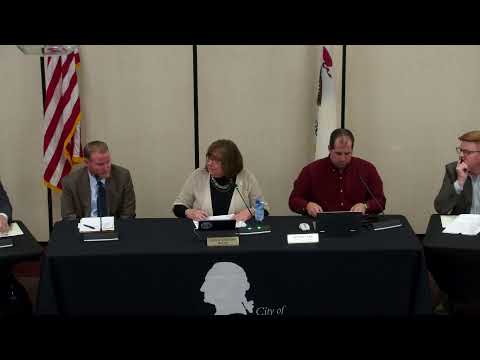
Councilmember Blunde challenged the change during debate on May 5, calling out a shift that would allow the city administrator to approve purchases up to $20,000, department heads up to $7,500 and supervisors up to $2,500. “To me, this opens the door for significant spending on nonengineered projects like IT systems and maintenance contracts,” Blunde said. He argued the ordinance removes routine council financial review and lacks clear definitions, aggregation rules, formal audit cycles and strong conflict-of-interest safeguards. “I won't be able to support this change,” he said.
Proponents described the amendment as a response to inflation and a means to improve administrative efficiency by delegating routine purchasing authority. After discussion, the council called for a vote; the motion carried 7–1.
The ordinance amends chapter 30 of the city code to broaden the city administrator's procurement authority. The measure does not add new language that defines what qualifies as an "engineered capital project" or specify anti-aggregation safeguards; Blunde specifically raised both concerns during the meeting.
The council's recorded outcome was 7 in favor, 1 opposed. The council did not adopt additional audit or aggregation language during the session; any further changes would require future council action.