Lifetime Citizen Portal Access — AI Briefings, Alerts & Unlimited Follows
Concord volunteers plan visible Black Heritage Trail with state grant and Select Board review
Loading...
Summary
Local leaders and volunteers said a state grant will fund a visible walking Black Heritage Trail of roughly 8–10 sites in Concord; the advisory committee aims to ground markers in research, involve students and seek Select Board approval in spring.
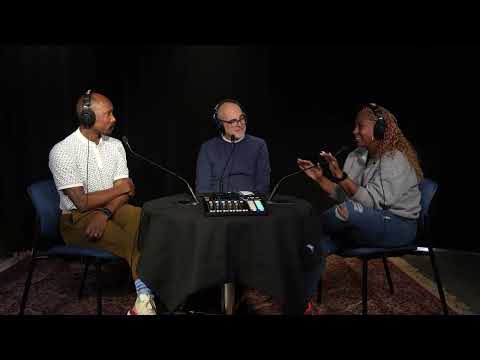
Joe Palumbo, host of the Conquer For All podcast, spoke with two Concord residents about a state‑funded effort to create a visible Black Heritage Trail through the town.
"We're gonna be talking about the work being done right now in town, around the creation of a Black Heritage Trail," Palumbo said, introducing Nikki Turpin and Robin Monroe, both members of the project's advisory committee.
Nikki Turpin, co‑president of Robin's House in Concord and a DI director, said she volunteered to join the advisory group to ensure stories of African Americans in Concord are not overlooked. "It was vital to make sure that there was this lens that did not ignore or forget that we were actually there," Turpin said. Robin Monroe, an educator and former president of Robin's House, emphasized that Concord's recent major town anniversary and visitor traffic make a permanent trail timely: markers will let "people of color ... walk through our town experience the full history," she said.
Palumbo said the effort, a collaboration between Robin's House, the Visitor Center, the town's Economic Development Office and the DI Commission, secured a grant from the state of Massachusetts to create "a visible, walking trail of at least 8 to 10 sites" so visitors and residents encounter Black history while in town. The advisory committee will recommend where markers should be placed and how they should present the stories, according to the guests.
Turpin and Monroe described the markers as both durable and adaptable: lasting physical signs that can be updated as research uncovers new information. "Markers are not 1 offs. They are lasting. They're portable. They're sustainable," Monroe said, adding the group plans a process for updating markers rather than removing them.
Both guests stressed education and belonging as goals. Turpin said markers provide "tangible" places for teachers and students to visit and continue classroom discussion; Monroe called them "both literal and symbolic," saying visible markers help people who have not seen themselves represented to feel welcome in Concord.
The program also touched on recent local incidents of bias. Palumbo said the Middlesex County district attorney reported Concord had high numbers of bias incidents and added in the broadcast, "In fact, we're a 100% of the incidents in the last 6 months," a phrasing the program did not clarify. Turpin and Monroe said markers alone will not eliminate bias but can catalyze ongoing education and community conversation.
The guests described outreach plans that include student participation in storytelling, community workshops and use of technology such as QR codes to connect short physical markers with richer online content. The project team plans to present the proposal to the Select Board before April 13 and aims to offer an update and celebration by Juneteenth; details and a QR code will be posted on the town website, the hosts said.
The advisory committee said it will work with municipal committees and regulatory requirements to develop marker text and placement and encouraged public questions and participation as the project moves through the spring.
The podcast concluded with Palumbo thanking Turpin and Monroe and urging listeners to check the project's web materials and attend upcoming Select Board discussion.