Get Full Government Meeting Transcripts, Videos, & Alerts Forever!
Get email alerts on the Municipal Court topic
No spam. Unsubscribe anytime.
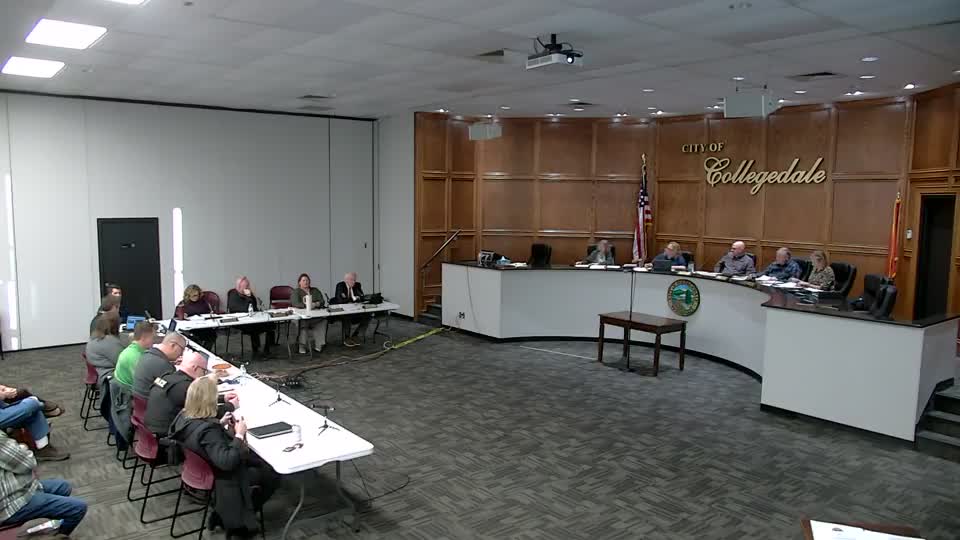
Collegedale City grapples with judge residency rule; council weighs appointment vs. sessions judges
Summary
City attorneys told commissioners a recent Tennessee Supreme Court interpretation requires municipal judges to be city residents; commissioners discussed statutory options, a small applicant pool (three applicants named), and whether sessions judges can continue covering court until the August election.
City attorneys at the Collegedale City workshop warned commissioners that a recent Tennessee Supreme Court interpretation and subsequent state statute have tightened residency requirements for municipal judges, complicating how the city fills a vacancy.
“There's a specific provision in the Tennessee code that says you appoint until the next general election and the next general election's August 6,” Sam, the city’s legal counsel, told the commission, describing case law and the statutory response. He said the court’s March decision means a municipal judge must live in the city for a year and meet other constitutional qualifications.
Sam said the city has three applicants on record — Mister Underwood, Seth Wilson and Curtis Bowe — but that two applicants do not currently live inside Collegedale City limits and thus may not be constitutionally eligible under the new reading of the law. “We know Jay has been out here and done a wonderful job, but unless he lives in the city, under that case from last year, he's not qualified,” Sam said.
Commissioners pressed on operational options. Sam outlined three practical choices: appoint a qualified, city-resident candidate to serve until the August general election; ask sessions judges to continue filling in (sessions judges told staff they could provide limited coverage for a short time); or consider changing city code and seeking MTAS guidance, though Sam said state law and constitution will govern the outcome.
Commissioners also raised litigation and continuity risks if a court lacks a constitutionally valid judge. Sam cautioned that while statutory immunities exist, some convictions or warrants could be subject to challenge and urged prompt action to ensure continued legal authority for city court proceedings.
The commission did not make an appointment at the workshop and asked staff to gather additional legal guidance from MTAS and to report back before the August election.