Get Full Government Meeting Transcripts, Videos, & Alerts Forever!
Get email alerts on the Utilities Ami topic
No spam. Unsubscribe anytime.
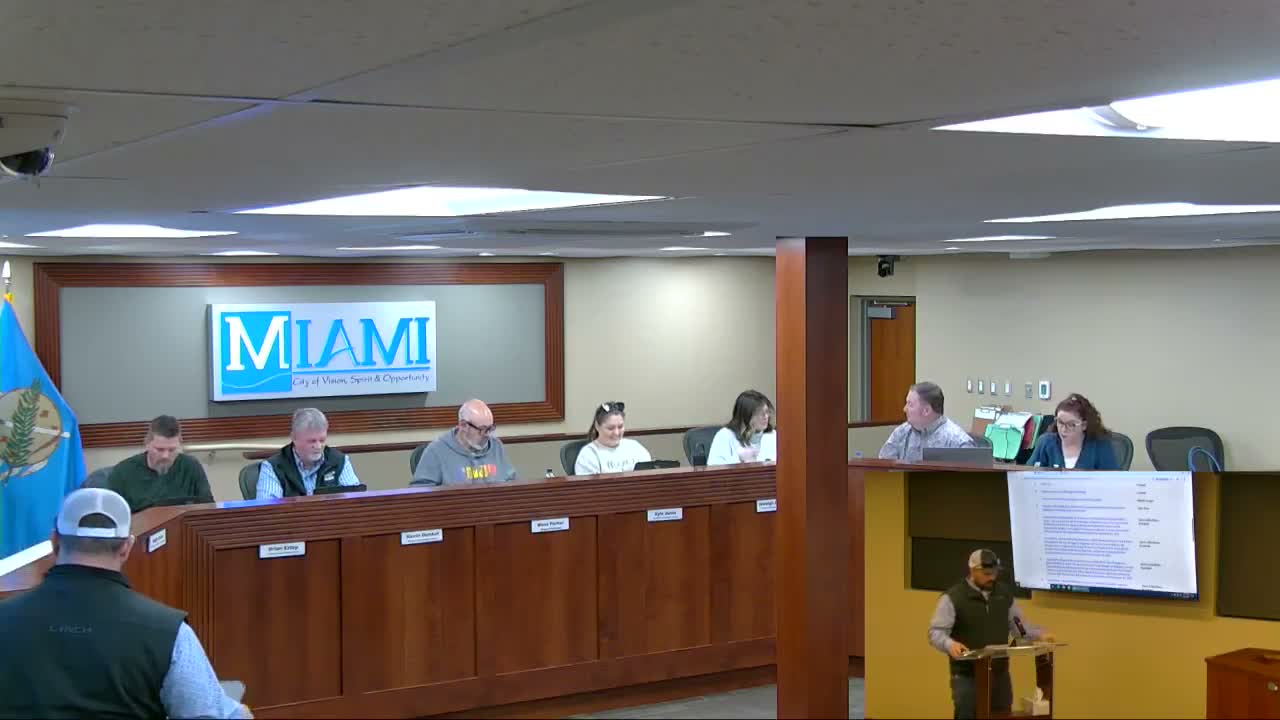
MSUA board approves multi-vendor AMI contracts after discussion on customer costs
Summary
The MSUA board authorized contract awards for an advanced metering infrastructure (AMI) project — including electric and water meters, cellular communications, MDMS and a customer portal — and discussed how to prevent leaving low‑income customers responsible for meter-can repairs discovered during upgrades.
The MSUA board on Feb. 26 approved multiple contract awards to advance a multi‑part advanced metering infrastructure (AMI) project, authorizing staff to negotiate and execute the agreements and noting the work will be carried out over the next two years with grant and borrowed funds.
Derek (first name only in the transcript), who led the AMI presentation, told the board the project includes new electric and water meters, a meter data management system (MDMS), cellular communications and a customer portal. He said the town partnered with tribal governments on a grant to help pay for the work: "this the 3,400,000.0 will go towards the AMI and the water treatment plant," Derek said, describing the tribal match and ARPA funding in the packet.
Board members pressed staff on how the upgrade could affect customers whose meter cans or house‑side equipment are corroded or outdated. The chair raised a hypothetical: "So what happens if we roll up on a 90 year old lady's house and go to change her can ... and now it's gonna cost her 3 or $400 maybe?" The question prompted sustained discussion about existing field practice, staff liability and options to avoid leaving vulnerable residents without service.
Staff said the utility already encounters some customers who must replace equipment when crews change meters and that the AMI rollout would make some of those problems visible sooner. A staff member described technical safeguards and benefits: "Neptune ... are ultrasonic meters that pick up low flow" and the chosen cellular/modem configuration provides failover so meter reads remain reliable, the staff member said.
The board heard that vendor selections were driven by accuracy, U.S. sourcing for water meters, and portal functionality. The committee recommended Landis and Gear for the electric meters and customer portal (the portal will be provided by VXConnect under Landis and Gear's solution), Neptune for the water meters because they are U.S.-made and include cellular failover, and a separate vendor for cellular/modem services. Staff also described the MDMS that will consolidate electric and water readings and distribute data to billing and the customer portal.
Members were told the electric meters have longer lead times and that full implementation will take a couple of years. Staff noted that customers will be able to view usage on the portal and that leak detection and hot‑socket alarms could notify customers sooner, potentially reducing larger later bills.
After the presentation and discussion, the board voted in separate line‑item motions to award the recommended bids and authorized the trust manager to negotiate and execute contracts consistent with those awards. Staff will return to the board with final contract documents and an implementation schedule.
What happens next: staff will negotiate contracts with the awarded vendors, begin procurement and scheduling of meter deliveries, and present implementation details to the board as the project moves from procurement to installation phases.