Get Full Government Meeting Transcripts, Videos, & Alerts Forever!
Get email alerts on the Street Assessments topic
No spam. Unsubscribe anytime.
Maplewood begins review of street‑assessment policy as reconstruction costs near $4.5 million per mile
Summary
Public works staff briefed council on Minnesota assessment rules and rising reconstruction costs; council asked staff to study alternatives (levy, franchise fees, nonprofit and peer city approaches) and report back with options and impacts.
Maplewood public works staff opened a first briefing on street assessments March 9, describing statutory requirements, recent cost trends and choices the city can consider to reduce homeowner assessment burdens.
The presenter said Maplewood maintains about 135 miles of streets and that the council’s assessment policy typically requires assessments to fund at least 20% of eligible project costs to avoid a referendum. He gave a short history of assessment practice and cited construction‑cost escalation: “In 2010 it was about 1,770,000.00 per mile. We’re now approaching 4,500,000 per mile,” he said.
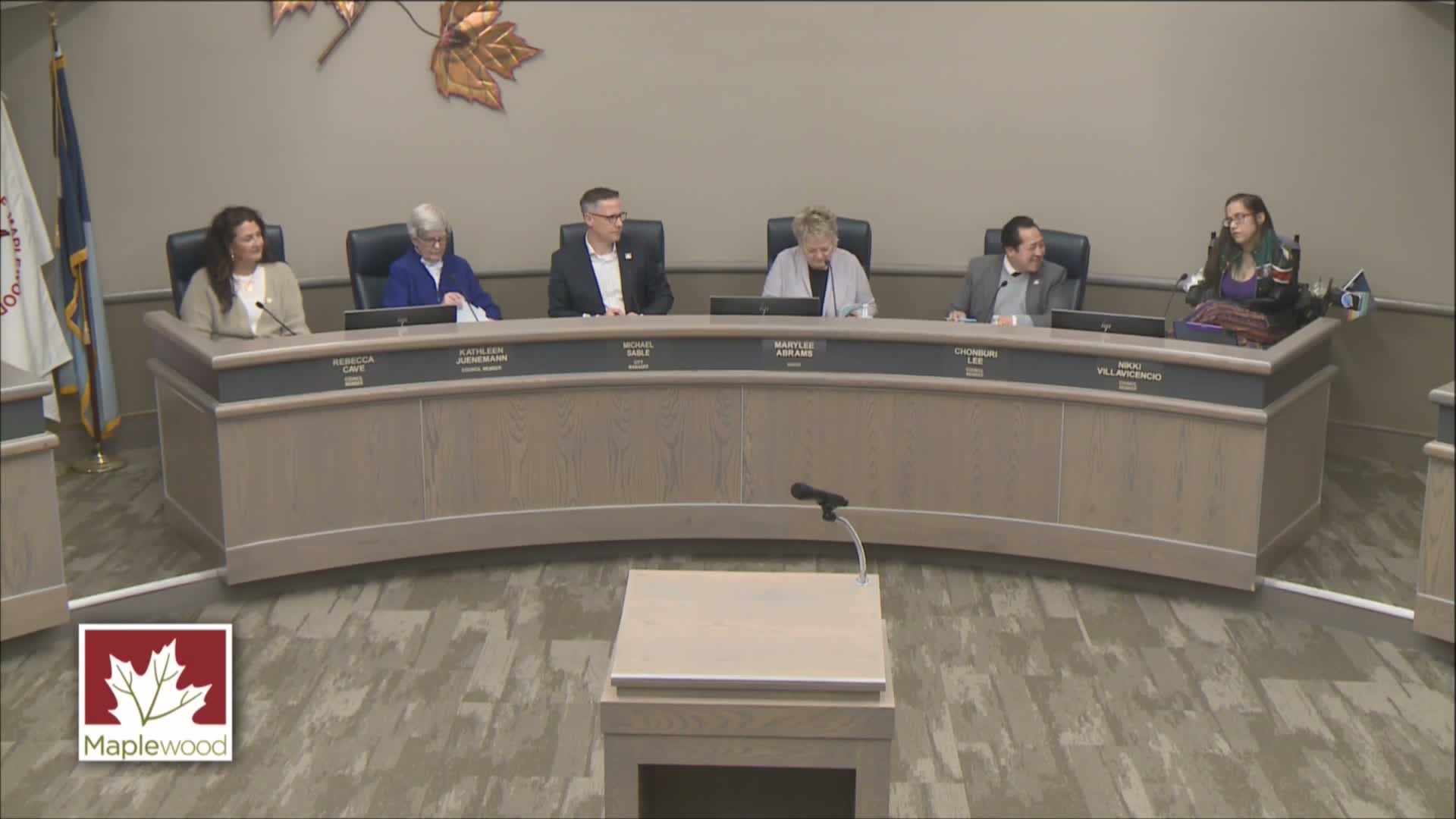
Council members raised concerns about the burden assessments place on homeowners. Mayor Abrams said increasing costs mean the council should review alternatives, including rolling some costs into the tax levy, using franchise fees, or pursuing pay‑as‑you‑go strategies used by other cities. Council Member Kate Cave asked whether cannabis revenue could be used; staff said the state retained those funds and they will not be available to local governments.
Staff said they will gather peer city examples, estimate the number of street segments where untaxable adjacent land (parks) affects the assessment base, and return with options and projected impacts for council consideration.
What’s next: Staff will come back with a menu of funding options and analysis of when the 20% assessment threshold becomes a limiting factor.