Senate Finance Committee advances bill to simplify retired teachers’ return-to-work, raises earnings cap to 50%
Loading...
Summary
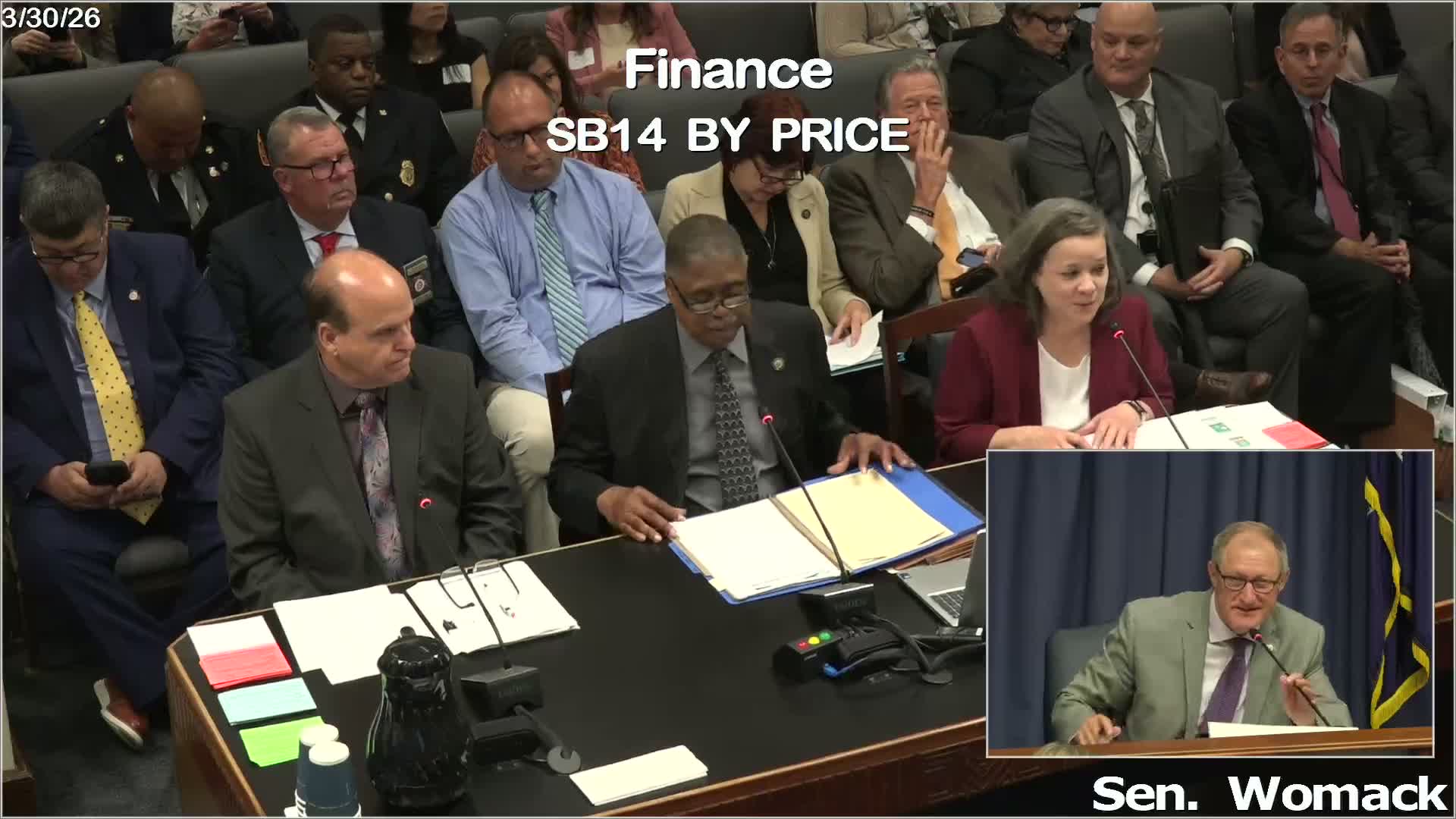
The Senate Finance Committee on March 30 reported SB 14 favorable, a rewrite of return‑to‑work rules for the Teachers’ Retirement System that raises the earnings cap from 25% to 50%, keeps a 12‑month waiting period, and creates a 65+ exception; the committee voted 6–1 to advance the bill amid fiscal concerns.
Senate Finance advanced a comprehensive rewrite of the Teachers’ Retirement System’s return‑to‑work law on March 30, moving SB 14 to the full Senate on a 6–1 roll‑call vote.
Catherine Whitney, director of the Teachers’ Retirement System of Louisiana, told the committee the bill replaces the existing, fragmented rules with one uniform statute and keeps “a 12‑month waiting period” to avoid creating incentives for early retirement. The measure would raise the current 25% earnings cap for retirees who return to work to 50%, allow retirees to return full time without suspension where a district has declared a “critical shortage,” and add a carve‑out for retirement‑eligible workers aged 65 or older who satisfy the 12‑month wait.
“One law is going to apply to everyone,” Whitney said, describing the bill’s intent to simplify the law and preserve guardrails that limit actuarial cost. She said the work group that drafted the proposals included employers and HR representatives so that any employer‑facing costs would be allocated through the employer contribution piece.
Bruce Chaffin, assistant superintendent in Livingston Parish and a study‑group member, said the 50% cap could reduce substitute churn in classrooms: “If a teacher hits their 25%, they’re out… The 50% rule drops that down to where we may only have to have 2 [subs],” he said, stressing continuity for students and particular benefit at the high‑school level.
Kenny Herbold, director of actuarial services for the Legislative Auditor’s Office, cautioned that the largest fiscal risk is a long‑term change in retirement patterns rather than immediate return‑to‑work payments. “From a retirement plan perspective, I think it’s usually somewhere between 60–70% of the funding comes from the investments and the investment gains that occur over time,” he said, explaining that earlier retirements reduce the time plans have to earn investment returns and can raise contribution rates over decades.
Multiple senators expressed support for using the bill to address an estimated statewide teacher shortage of about 1,200 positions but urged the retirement system and the legislative actuary to provide more detailed cost scenarios. Senator Cloud and others suggested a sunset or review period to monitor fiscal impacts; members discussed adding a sunset amendment on the floor. Senator Presley cast the lone no vote during the roll call.
The committee reported SB 14 favorable by a 6–1 vote (Senators Cloud, Boudreaux, Edmonds, Faizi, Harris and Selders yes; Senator Presley no). The bill now moves to the Senate floor, where members indicated they may consider a floor amendment to add a temporary sunset and request further actuarial analysis before final passage.
The transcript shows the committee sought additional actuarial modeling and that the retirement system and the Legislative Auditor’s Office agreed to run estimates for both short‑term backfill scenarios and long‑term retirement‑pattern changes.