Lifetime Citizen Portal Access — AI Briefings, Alerts & Unlimited Follows
Committee tables substitute to limit post-reassessment school tax increases after heated testimony
Loading...
Summary
Lawmakers tabled House Substitute 2 for HB 246 after a lengthy hearing in which school CFOs and union leaders warned that the substitute’s categories and a proposed 2% cap could create confusion, force program cuts, and leave some districts unable to recover lost revenue from reassessment appeals.
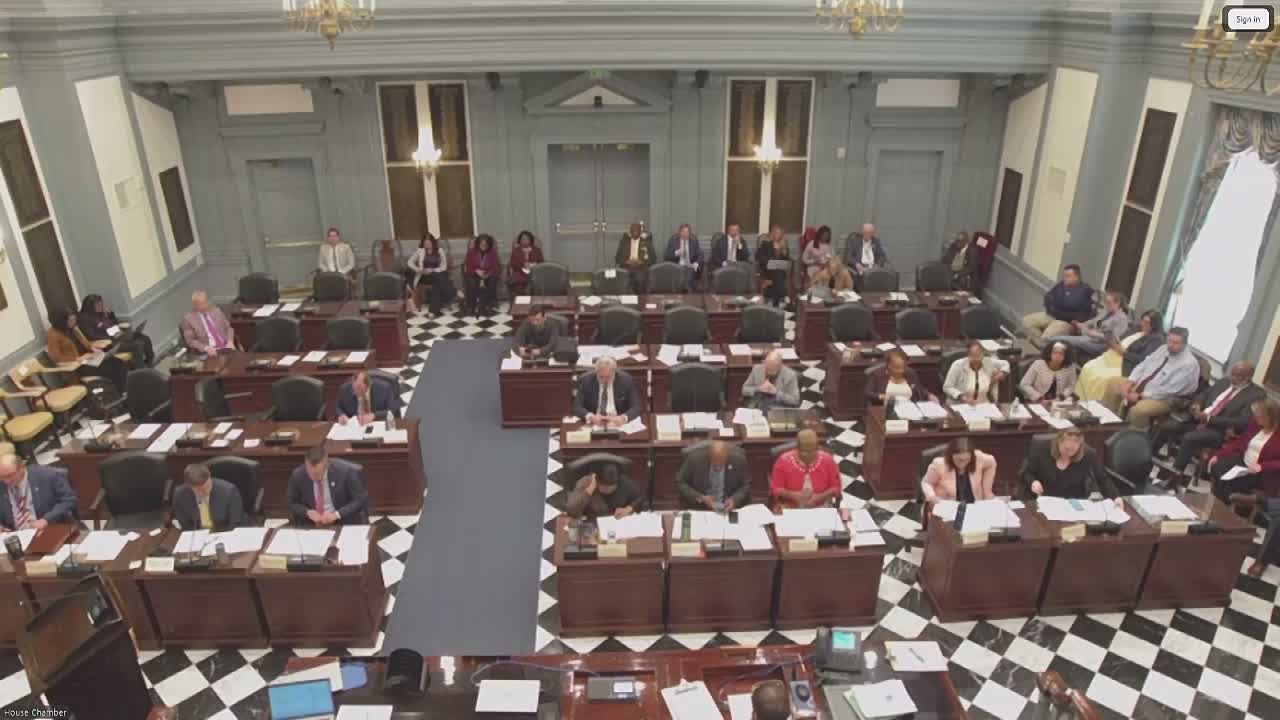
The House Education Committee on March 20 tabled House Substitute 2 for HB 246 after extended testimony from school finance officials, committee questioning and vigorous public comment.
Sponsor Representative Shupe told the committee the substitute removes retroactivity and would require a school district to demonstrate a verified financial loss from reassessment before any post-reassessment tax increase could be considered; if a loss were proven the substitute would phase in any necessary adjustment over five years. He described the change as a guardrail against automatic 10% revenue increases that can occur at reassessment.
Emily Falcon, who told the committee she is president of the Delaware Association of School Administrators and chief financial officer of Colonial School District, warned the committee the substitute, as drafted, would create three operational categories for districts and could unintentionally prevent many districts from resetting their rates. "It removes the language that requires the reset of the tax rate after reassessment for the majority of the districts," Falcon said, adding she did not believe that was the sponsor’s intent.
Falcon also explained that a 10% post-reassessment revenue enhancement does not equal a 10% tax-bill increase and that even a revenue-neutral reset can produce large swings for individual taxpayers if a homeowner’s assessed value rises faster than the district average. "10% revenue enhancement does not equate to 10% increase in a tax bill," she said.
Committee members pressed the sponsor and Falcon on details including which CFOs were consulted, how 'financial loss' would be measured, and whether a 2% annual cap (discussed by some members) would leave districts unable to meet expenses and risk layoffs or program cuts. Representative Morrison asked whether a 2% cap would force district cuts; Falcon said districts would either deficit-spend, draw on reserves or make cuts.
Public commenters from teachers’ unions, district associations and local school boards strongly opposed the substitute’s current language. Blair Catlin Brown, president of the Indian River Education Association, said the substitute must allow modest annual increases rather than produce instability: "A better approach would be to allow modest annual operating tax increases," she said. Jared Lolito, president of the Cesar Rodney Education Association, urged incremental annual increases and local board authority.
After the discussion, a motion to table the substitute was offered and carried on roll call. Committee members said they appreciated the exchange and the sponsor indicated willingness to meet with New Castle County officials, CFOs and other stakeholders to revise the language.
The motion to table suspends further committee action on this substitute for now; the sponsor said he would convene stakeholder meetings to try to resolve operational issues before bringing language back.