Lifetime Citizen Portal Access — AI Briefings, Alerts & Unlimited Follows
Committee advances PA modernization bill after extensive testimony; Medical Society urges guardrails
Loading...
Summary
HB 325, which would let experienced physician associates (PAs) practice as primary care providers after 6,000 clinical hours and ease some supervisory requirements, was released from the House Sunset Committee after sponsor remarks and extensive in-person and virtual testimony; the Medical Society of Delaware registered opposition seeking additional safeguards.
Representative Barry presented House Bill 325 as a measure to modernize physician associate/assistant practice in Delaware, expand primary care capacity and remove administrative barriers that can cause immediate loss of care when a supervising physician retires or relocates. "This bill is about access to care, strengthening our health care workforce, and ensuring that Delawareans, especially those in rural and underserved communities, can get the care they need when they need it," Barry said.
Barry told the committee the bill allows physician associates with 6,000 hours of clinical practice to apply for a pathway to practice without being tethered to a single physician but would not expand clinical scope or create independent practice. The sponsor tied the legislation to Delaware’s participation in the Rural Health Transformation Program (RHTP), noting the state received a year‑one award (stated in testimony as $157,400,000) and saying the federal program expects states to follow through on committed policy changes.
The Medical Society of Delaware’s president, Brian Gallinat, testified in opposition to the bill as written and urged additional patient-safety guardrails and inclusion in further discussions; he said his organization’s letter suggested additions to “further ensure patient safety while we work together to increase our citizens’ access to high quality care.”
Multiple physician assistants and health organizations spoke in support. Bethany Mello, a PA at ChristianaCare, said the bill “does not negate” team-based care and would strengthen teams by allowing clinicians to practice at the top of their training. Patrick Duffy, president of the Delaware Academy of Physician Assistants, and Travis Folgeman (ChristianaCare) described experience in other states that removed rigid written supervisory agreements while preserving accountability and teamwork. Shauna Slaughter, director for the Division of Professional Regulation, said the agency can implement the bill as written and track statutory safeguards within the licensing system.
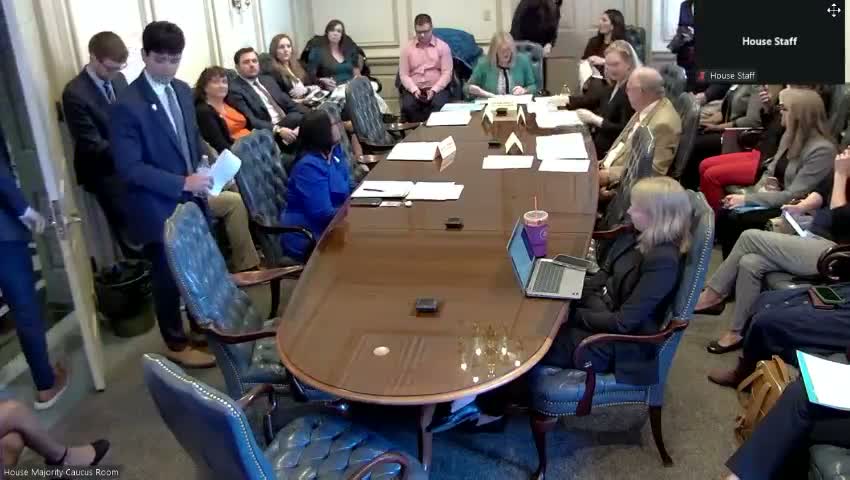
Committee members asked for data on how many PAs already meet the 6,000-hour threshold; the chair noted that count by county would be useful. After in-person and virtual testimony concluded, the committee moved to a roll-call vote and the chair announced the motion to release HB 325 passed and the bill was released from committee; the transcript records required votes were received but does not list a roll-call tally.
Next steps: committee staff said they expect amendments to be filed; the bill will be posted on the legislative website and proceed according to the General Assembly’s process.