Lifetime Citizen Portal Access — AI Briefings, Alerts & Unlimited Follows
Legislative committee finds lengthy backlogs, orders timeliness plan for Delaware’s Human and Civil Rights division
Loading...
Summary
A staff review found extended case processing times and staffing shortfalls at Delaware's Division of Human and Civil Rights; the Joint Legislative Oversight and Sunset Committee adopted recommendations requiring a timeliness improvement plan, annual reporting and staffing data, and asked the division to work with DOJ on statutory questions.
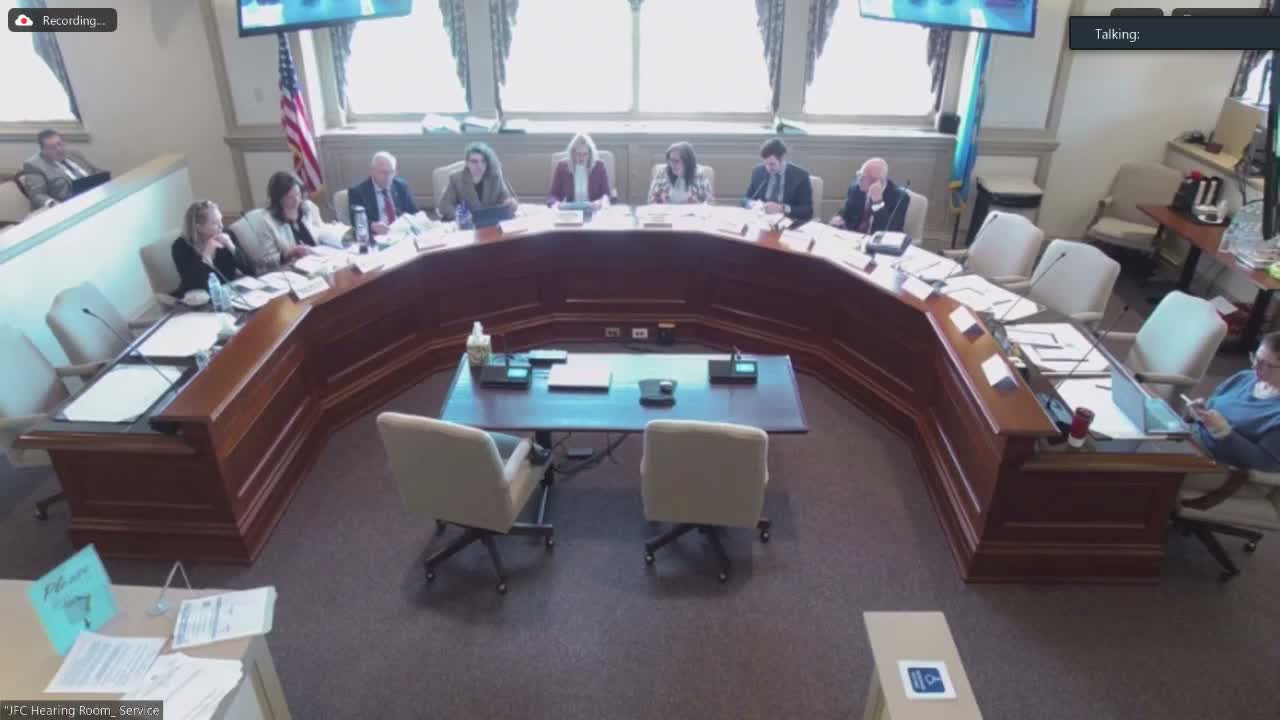
Representative Romer, chair of the Joint Legislative Oversight and Sunset Committee, convened the committee on April 7 to consider a focused staff review of the Division of Human and Civil Rights’ complaint‑handling practices.
Analysts Amanda Wade McAtee and Ben Cole told the committee the review covered complaints received from January 2022 through September 2025 and examined staffing, hearings, outreach and budget. “This review evaluated the division's complaint handling protocols from January 2022 through September 2025,” Cole said, summarizing the period analyzed. Staff reported the division accepts complaints under two distinct laws — the Delaware Equal Accommodations Law (DEAL) and the Fair Housing Act (FHA) — and that filing deadlines differ: DEAL complaints are generally expected within 180 days and FHA complaints within one year of the incident or discovery of the incident.
The report identified timeliness as the primary operational bottleneck. “Deal investigation averaged 341 days to close, significantly surpassing the 120‑day statutory requirement,” Cole said. Staff also told members that FHA investigations exceeded federal and state benchmarks and that HUD had flagged the division’s 100‑day completion rate as a recurring concern, although HUD continued to certify the division as substantially equivalent and had not moved to withdraw federal funding during the review period.
Analysts attributed delays to limited staffing and an end‑to‑end case model in which a single investigator manages a case from intake through final resolution. They recommended a seven‑part package including a timeliness improvement plan with measurable milestones, a triage protocol for older cases, monthly (amended to weekly for cases over 120 days) tracking of aged cases, written delay notices for FHA matters, and a report back to the committee by January 2027. The committee also approved a recommendation urging a compensation and classification review for investigator and key support roles to address recruitment and retention challenges.
Division director Ramona Fullman described operational constraints and the division’s case management technology. “CRIMS is Salesforce. We call it CRIMS but it is a Salesforce tool,” Fullman told the committee, explaining that CRIMS mirrors HUD reporting fields and that enhanced notifications could help staff track cases approaching statutory benchmarks. Inez Hungria, the division’s investigations supervisor, described the division’s conciliation practice and training work, saying training is tailored to the complaint’s subject and that “every training is tailored … and it’s a 3 hour training.”
Committee members questioned whether the review captured complainant and respondent experiences; staff said the focused review did not include systematic satisfaction surveys but that the committee could add customer service metrics to an annual reporting requirement. Members also pressed for clarity about statute language and inter‑agency conflicts that can leave cases unresolved; a public commenter, Brian Derickson, told the committee he had multiple active cases and called for clearer statutory guidance on transgender‑related bathroom policy and related interagency inconsistencies.
The committee voted to adopt the staff recommendations with some additions: it approved the timeliness improvement plan requirement (amended to require weekly tracking for aged cases over 120 days) and directed the division to present measurable milestones and technology needs in a report due January 2027. Members also voted to require an annual report that includes customer service benchmarks and current staffing and salary information, and to ask the division and commission to consult with the Department of Justice on representation and timing in fair housing matters. Two items relating to comprehensive statutory cleanup (staff findings 6 and 7) were left open for further deliberation.
What happens next: the division is required to develop the timeliness improvement plan and come back to the committee in January 2027 with progress and any statutory revision proposals. The committee also directed legislative staff to draft bill language if the committee adopts statutory reporting requirements.
Votes at a glance - Recommendation 1 (timeliness improvement plan; weekly tracking for cases >120 days): adopted (8 yes, 1 no, 1 absent) - Recommendation 2 (compensation/classification review): adopted (9 yes, 1 absent) - Recommendation 3 (annual reporting requirement including customer service and staffing/salaries): adopted (9 yes, 1 absent) - Recommendation 4 (update regulatory references to reflect current names): adopted (9 yes, 1 absent) - Recommendation 5 (coordinate with DOJ on FHA/DEAL representation and timing): adopted (9 yes, 1 absent) - Recommendations 6–7 (comprehensive statutory review and holdover): deferred for later consideration
The committee adjourned after adopting the package and instructing staff and the division to return with the requested information and draft language as needed.