Lifetime Citizen Portal Access — AI Briefings, Alerts & Unlimited Follows
Committee declines to release bill excluding class A felons from sentence‑modification eligibility
Loading...
Summary
After hours of testimony from survivors, advocates and the Department of Correction, the committee voted not to release HB289, which would have removed class A felonies from eligibility to apply for sentence modification. Witnesses and members debated victim retraumatization, rehabilitation, and risks to wrongfully convicted people.
The committee rejected a motion to release House Bill 289, which would have barred people convicted of class A felonies from applying for sentence modification under the state’s recent changes to Title 11.
Representative Speakelman, the bill’s sponsor, framed the measure as a protection for victims. He recounted out‑of‑state high‑profile cases and said the earlier expansion (SB10) changed the social contract for victims: "It used to be ... life without the possibility of parole. Now in 15 years they may be able to apply," he said, arguing that forcing victims to repeatedly relive trauma for periodic applications is unfair.
Opponents — including representatives of Tide Shift Justice Project, the ACLU of Delaware and Innocence Project Delaware, as well as several survivors and victim‑advocates — urged the committee to oppose HB289. Caitlin Richards, associate director of Tide Shift Justice Project, said, "Compassionate release is not about the original charge, but it's about the person's current condition," and flagged the rising cost and aging of the prison population. Kevin O'Connell of the Office of Defense Services warned that removing application pathways could block relief for the wrongfully convicted and noted existing avenues such as commutation and the board of pardons.
Paul Shavik of the Department of Correction answered members’ procedural questions, saying the DOC has implemented mandatory biannual reviews since SB10 took effect on 01/10/2026 and that approximately 30 cases have been reviewed so far with roughly eight recommended to courts for further consideration.
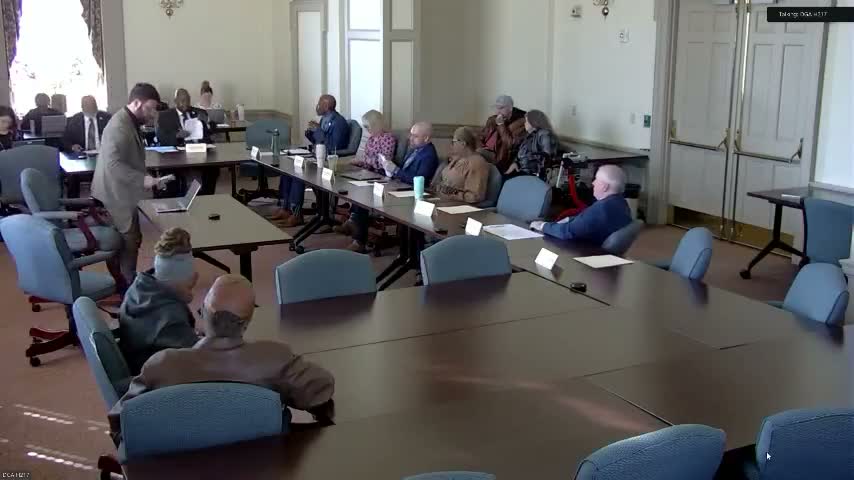
Committee discussion repeatedly turned to balancing victims’ healing against rehabilitation and constitutional mechanisms for review. Some members argued the law should be given time to operate; others said even the ability to apply is harmful to victims. After public comment that included detailed victim impact statements and advocacy from innocence and civil‑liberties groups, the committee voted. The roll call recorded a majority of 'no' votes and the motion to release HB289 failed; the bill was not released from committee.
The committee adjourned after the vote. HB289 may be reintroduced or amended in a future session if sponsors choose to revise the proposal.