Get Full Government Meeting Transcripts, Videos, & Alerts Forever!
Get email alerts on the Budget topic
No spam. Unsubscribe anytime.
Boonton council hears 2026 budget introduction; municipal share up about $64 for average homeowner
Summary
Town finance staff presented the 2026 budget introduction, saying employee costs make up roughly 55% of appropriations and the municipal portion of the average tax bill would rise about $64 (just under 2%); the council introduced a cap-bank ordinance to allow a higher cap and scheduled budget adoption for May 4.
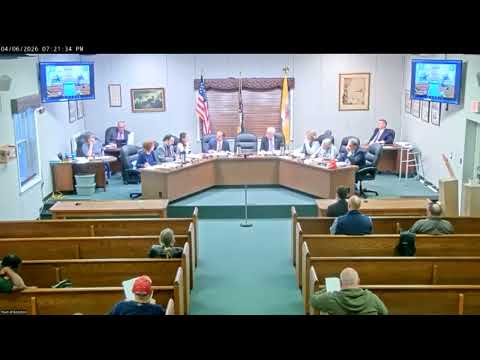
The Boonton Town Council heard the introduction of the 2026 municipal budget and an overview of the town's fiscal outlook during its regular meeting.
The town's finance lead told the council that employee salaries and related costs account for about 55% of the town's appropriations and that the proposed municipal portion of the average homeowner's tax bill would increase by about $64 annually (just under 2%). The presenter said the budget as presented is up roughly 6% overall and highlighted specific pressures including a health-insurance increase of more than 20 percent and a pension cost rise of about 9 percent.
Why it matters: the introduction frames the town's tax and service decisions for the coming year and sets a schedule for formal adoption. The council scheduled budget adoption for May 4 and the budget materials and presentation were posted to the town website the next day for public review.
Council discussion and next steps: council members asked about how much of the tax dollar is under local control; the finance presenter said roughly two-thirds of residents' tax dollars go to the school district, about a quarter to the municipal government and roughly 10% to the county, and that the municipal government controls only a portion of the overall levy. The presenter proposed adding $200,000 to the capital improvement fund (bringing it to $350,000) and described options for funding capital projects with a mix of cash and debt.
The council also introduced Ordinance 7-26 (the so-called "cola" or cap-bank ordinance) to raise the allowable increase in the bulk category from 2% to 3.5% in order to provide flexibility for this year; members said any unused increase could be banked for a future year. The ordinance was introduced by motion and will proceed to a public hearing at the next council meeting.
The budget presentation and associated documents were posted on the town website for public review; council members encouraged residents to read the materials and to contact the finance office with questions.