UN leaders warn digital hate and inaction risk repeating Rwanda’s 1994 tragedy
Loading...
Summary
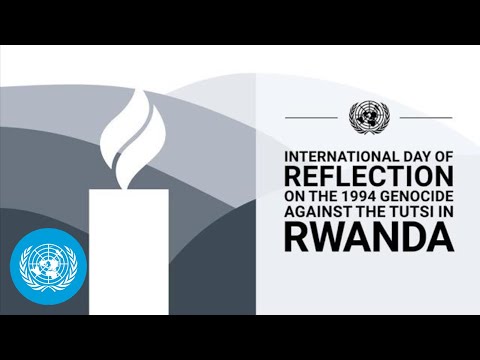
At a General Assembly commemoration, United Nations and African Union representatives recalled the 1994 genocide against the Tutsi, warned that hate speech amplified by digital platforms and AI can precede mass atrocities, and urged states to ratify and implement the Genocide Convention and strengthen prevention mechanisms.
United Nations and African Union officials used an April 7 commemoration in the General Assembly Hall to warn that unchecked hate speech — now amplified by digital platforms and artificial intelligence — can presage mass atrocities and that the international community must do more to prevent repeat tragedies.
Courtney Ratray, chef de cabinet in the Executive Office of the Secretary-General, read a message on behalf of the Secretary-General that called the 1994 killings “deliberate, premeditated, orchestrated” and criticized the international community’s earlier failures to respond. "We must do more than remember the dead. We must protect the living by defending truth and rejecting narratives that make violence seem acceptable," he said (remarks delivered on behalf of the Secretary-General).
Annalena Baerbock, President of the General Assembly, described the Narubuye church massacre and the broader pattern of warnings that went unheeded, saying prevention “requires action early and decisive.” She recalled that peacekeeping forces were not reinforced when needed and said remembrance must translate into structural prevention measures.
Delivering a statement for the African Union chairperson, the African Union permanent observer to the UN said the continent had acted in multiple crises and urged renewed commitment to vigilance against organized hatred. The AU statement also highlighted Rwanda’s peacekeeping contributions and noted the need to defend multilateral norms.
Emphasizing the changing information environment, speakers pointed to social media and AI tools as new corridors for hate. The message from the Secretary-General and remarks by Rwanda’s justice minister both urged countries to become parties to and implement the Genocide Convention; the Secretary-General’s message explicitly called for rapid accession and enforcement.
The commemoration combined these institutional warnings with survivor testimony and cultural pieces to underline that prevention requires legal, political and social measures — and that memory without action risks repeating history.
The ceremony concluded with musical performances and a moment of candle lighting at the Kwebuka Flame of Hope memorial on the UN grounds.