Utility board approves MOU to buy 19 acres for Dillman wastewater capacity expansion
Loading...
Summary
The City of Bloomington Utilities Board approved a memorandum of understanding to acquire 19 acres near I‑37 for up to $200,000 to expand detention and relieve capacity at the Dillman Wastewater Treatment Plant; the MOU includes a capped future sewer connection and conditions on survey, subdivision and easement.
The City of Bloomington Utilities Board on April 6 approved a memorandum of understanding to pursue purchase of a 19‑acre property east of Interstate 37 to expand detention and relieve flows at the Dillman Wastewater Treatment Plant.
Chris Wheeler, city legal, presented the MOU and said the city had offered $200,000 based on an appraisal to move toward a purchase and make the property available for future infrastructure. "We arrived at an appraisal value for a fair market value," Wheeler said. He explained the city would fund a legal survey, that the property owner must complete a county subdivision, and that the city would grant an easement across the land it acquires so a future connection could be made more easily.
The MOU makes clear the parcel is currently not eligible for sewer connection; Wheeler said it could be connected only if it later became eligible through annexation or other regulatory steps. The agreement caps any future service connection at 3,000 gallons per day and makes the meter cost part of the MOU unless the owner requests a larger meter, in which case the owner would pay the difference.
Phil Peden, engineering, told the board engineers expect constraints from the FEMA floodplain and existing utilities but said the city could add either underground storage or storage adjacent to an oversized Dillman Relief Sewer that will be designed to provide inline storage as part of phased work.
Board members asked whether the MOU bypassed required eligibility rules; Wheeler said it did not and that the MOU simply "stubs out" infrastructure and grants easements to streamline a future connection should eligibility change. He also described the acquisition as proceeding under the statutory eminent‑domain process as necessary but noted the owner had cooperated and the MOU reflected negotiated terms.
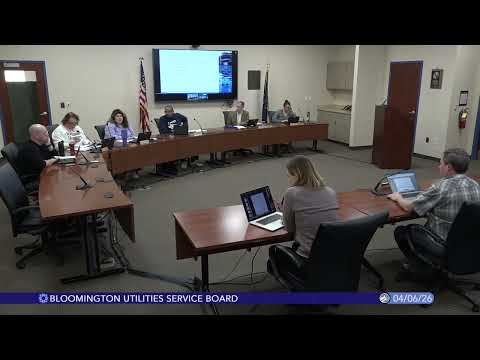
The board moved and voted to approve the MOU. The MOU and related surveys and deeds are the next procedural steps before any final purchase or construction.
What happens next: city staff will perform a legal survey at city expense, the property owner will pursue subdivision steps with the county, and the city will complete deed preparation and recordation if terms are finalized.