Residents press for clearer reports after Dunwood transmission‑line gas leak; Washington Gas promises after‑action follow‑up
Loading...
Summary
Residents described persistent gas odor incidents near Dunwood Crossing and Woodmore Highlands and asked the council to demand more transparency; Washington Gas detailed a complex repair and agreed to provide an after‑action report and work with city emergency management on communications.
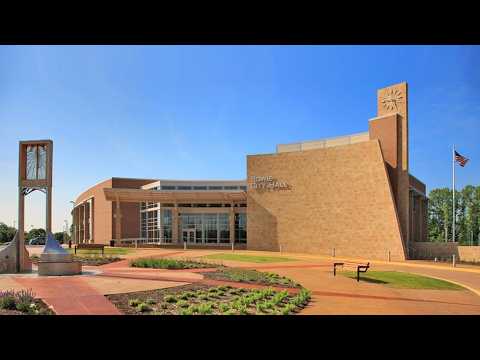
Residents and Washington Gas representatives confronted lingering questions about a December–January gas leak and the utility’s communications during the Bowie City Council meeting on April 6.
Several residents described persistent, strong gas odors near Dunwood Crossing Drive and surrounding neighborhoods beginning Dec. 21 and lasting into the new year. “We called Washington Gas every time,” Darius Stanton said, recounting repeated visits, inconsistent follow‑up and the eventual discovery of a leak along the transmission main behind his property. Neighbors reported smelling gas in garages and basements and said uncertainty and poor updates left families alarmed.
Washington Gas senior director Greg Stroh said company crews found a leak on a metal transmission‑line branch near the railroad, worked continuously on site for four days and used vacuum excavation and a fabricated steel reinforcement sleeve to stop the release. “We treat leaks that meet a public‑safety threshold with continuous action until they’re resolved,” Stroh said, describing the repair and restoration work.
Councilmembers pressed company staff on why locating the leak took extra time, how the utility monitors pressure on transmission lines and what communications the company provided to residents and city officials. Stroh acknowledged shortcomings in community notification and said Washington Gas will strengthen its ties to the city’s emergency management and communications teams. “We can certainly do better,” he said, and agreed to meet with staff and affected residents.
Councilmember Rogers asked Washington Gas to prepare an after‑action report summarizing classification, timeline, corrective actions and any enforcement or inspection activity. Stroh agreed to work with city staff on an incident summary and to examine whether the city should be copied on reports the utility files with federal and state regulators.
City officials and residents also urged the utility to adopt proactive thresholds for notifying the city when an incident has the potential to affect neighborhoods. Councilmember Brady recommended a pilot for automatic notification to the City of Bowie for events that exceed an agreed threshold.
What happens next: Washington Gas agreed to follow up with the city manager and provide an after‑action summary of the Dunwood incident and to explore improved real‑time communications with Bowie emergency management. Councilmembers said they will press for clearer, faster notification pathways so residents and elected officials are informed promptly if future problems arise.