Lifetime Citizen Portal Access — AI Briefings, Alerts & Unlimited Follows
Selectmen debate draft police work-zone/detail policy; ask chief for narrower proposal
Loading...
Summary
The board discussed a draft policy requiring police details or traffic control at certain work sites. Members raised concerns about manpower, costs to small contractors and homeowners, and existing chief authority; the board asked for a more narrowly tailored policy to review at a future meeting.
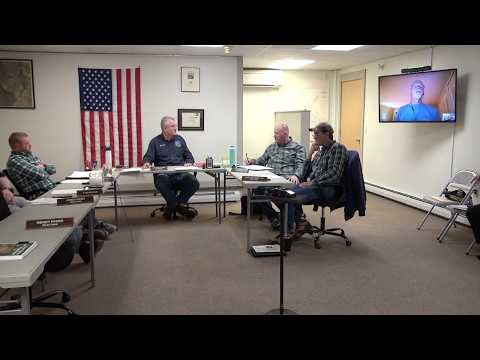
The Ossipee Board of Selectmen spent an extended portion of its April 6 meeting debating a draft police roadway work-zone/detail policy that would require police or paid traffic-control coverage for some types of work in town.
The police chief presented sample policies the town could adopt. The draft proposes requiring a police detail or certified traffic-control contractor for certain worksites and allows the board to adopt a fine schedule for noncompliance. The chief said some sample policies exempt dead-end or low-traffic roads and that the town has mutual-aid options if an on-duty officer is unavailable.
Selectmen and staff raised practical concerns: how the town would provide manpower to cover multiple concurrent sites, whether mandating a $90-an-hour detail is fair to small property owners, and which roads should be subject to mandatory coverage. One selectman noted existing authority under state law (RSA 265) to shut down unsafe work sites, and others said a fine schedule would create an enforceable recourse preferable to repeated shutdowns and potential court action.
Multiple board members urged narrowing the policy to a clearly defined set of circumstances—e.g., major roads, utilities and high-speed routes—so that routine homeowner or small-contractor jobs would not routinely require an officer or expensive traffic-control contractor. The chief said he would revise the draft with narrower scope and clearer definitions for which roads and activities would require a detail.
The board did not vote on the policy; members asked for a redrafted, more narrowly tailored policy to be circulated and reviewed at a future meeting.
The discussion also touched on the revenue aspect of paid details: one commenter noted paid details can provide supplemental income to officers while generating limited offsets to town equipment costs, but the board emphasized any policy must balance safety, fairness and operational feasibility.