Scholar: universities altered by foreign pressure and risk to international students
Loading...
Summary
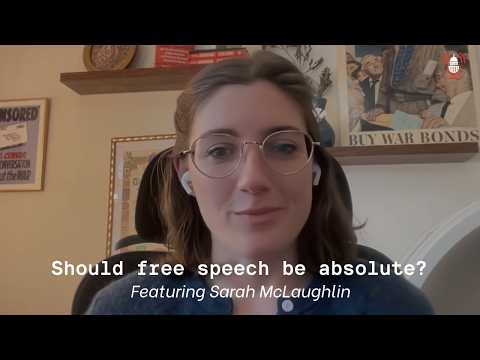
Sarah McLaughlin told the Commission on Security and Cooperation in Europe podcast that foreign governments sometimes pressure U.S. universities to disinvite critics, and that administrators' attempts to identify anonymous student critics can expose those students to severe reprisals in their home countries.
Sarah McLaughlin described patterns she said have emerged on U.S. campuses as universities expand financially and internationally. "People wanna do what they can to retain access to funding sources," she said, and some institutions have adjusted behavior, including disinviting government critics, to preserve access to foreign funds.
She recounted an episode at George Washington University in which students posted anonymous flyers criticizing human-rights abuses in China. McLaughlin said campus security was initially directed to review footage to identify the posters; she warned that identifying students from countries such as China could expose them and their families to imprisonment at home. "If that was on their transcript when they returned home, that could be prison time," she said.
McLaughlin also flagged that universities' global ties mean higher-education policy is no longer solely a domestic issue: "Our universities are global, and so they're gonna have global free speech challenges." She described international students who say they fear deportation after expression and noted FIRE filed a lawsuit last year over viewpoint-based deportations of legally present students.
The scholar urged universities and policymakers to protect anonymous expression and resist external pressures that attempt to silence critics via funding leverage or diplomatic pressure. The host closed the episode by directing listeners to FIRE's website for resources.