Get Full Government Meeting Transcripts, Videos, & Alerts Forever!
Get email alerts on the Court Order topic
No spam. Unsubscribe anytime.
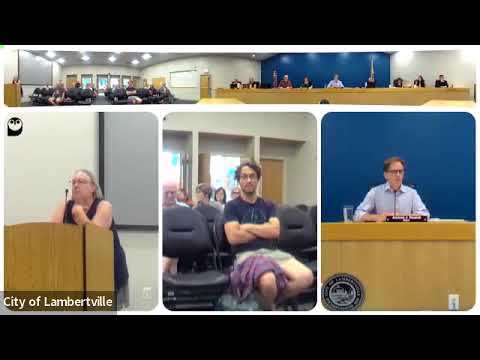
Lambertville residents, council grapple with court order that revokes towns immunity and requires 200-unit change at high school site
Summary
A July 7 court order stripping Lambertville of builders-remedy immunity has forced the council to move quickly to amend the Lambertville High School redevelopment plan to allow a 200-unit inclusionary project; residents voiced alarm over contamination, stormwater and loss of trust and pressed officials for transparency and possible legal stays.
Mayor: On July 7 the court entered an order revoking the city's immunity from builders-remedy lawsuits and directing the city to amend the Lambertville High School redevelopment plan to allow a 200-unit inclusionary residential development. The mayor told the audience the city will seek to comply and to introduce amendments at the councils August meeting, with a planning-board review in early September and a second reading and public hearing scheduled for Sept. 18.
Why it matters: The judge's order removes a layer of legal protection known as immunity from builders-remedy suits, opening the city to legal petitions from developers that can seek higher-density development on privately owned parcels. Compliance would restore the citys path to a final judgment of compliance, but residents and some council members warned that moving too quickly risks long-term environmental and social harm.
Public outcry over site safety and process: During more than four hours of public comments, dozens of residents spoke about contamination and community impacts. "We found out about PFAS," said Jeff Tittle, who described earlier court litigation and warned the council about both environmental and procedural risks. Neighbors on the hill described wells, blasting, and traffic concerns; several residents demanded that appraisals and environmental data be made public before the council takes further action. "I don't even believe in democracy anymore," a Hancock Street resident said, reflecting the anger and loss of trust many speakers expressed.
Officials responses and next steps: The mayor and the citys housing attorney, Kelly, told the meeting that the council must respond quickly to the court order to seek a return of immunity. Kelly explained the legal mechanics in general terms and said compliance measures and any appeal or stay would follow legal timelines: "Compliance with the court order will put us back in a position to seek immunity and avoid other developers from coming in," she said. City staff (Bill) and council members acknowledged gaps in the record presented to the judge and said state and federal environmental review and remediation requirements would apply to any developer proposal.
What residents asked for: Speakers urged the council to (a) seek a stay or appeal where legally appropriate; (b) make all appraisals and technical reports public; (c) press for thorough environmental testing and remediation plans; and (d) negotiate developer agreements that include performance and maintenance bonds and enforceable remediation commitments. Several commenters called for a pause until independent experts could review contamination and groundwater recharge questions.
What the council said it will do: Council leaders said they will introduce the ordinance amendments in August, send the amendments to the planning board for a September review, and return to the council for a Sept. 18 second reading and public hearing. Officials said they will work with state agencies that oversee historic sites and environmental remediation and will pursue whatever legal options (including a stay) are available within court-imposed deadlines.
Where this stands: The council must balance the courts directive, the legal exposure created by the immunity revocation, and resident concerns about safety and process. The meeting closed with a commitment by several council members to increase transparency where legally permitted and to pursue additional technical review and community engagement ahead of the August introduction.