Get Full Government Meeting Transcripts, Videos, & Alerts Forever!
Get email alerts on the Governance topic
No spam. Unsubscribe anytime.
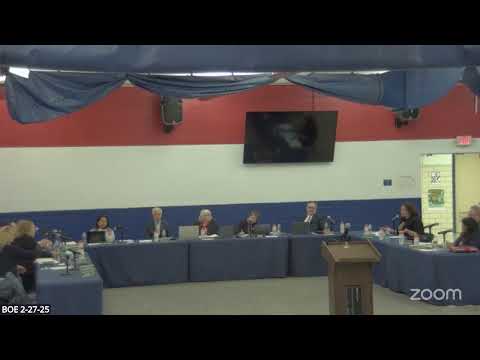
Board splits over committee appointments after hourslong debate
Summary
A contested round of committee and liaison appointments at the Berkeley Heights Board of Education led to a protracted public dispute over process and preferences, procedural motions and legal advice before the presidents slate was adopted by roll call after late-night compromise.
The Berkeley Heights Board of Education spent hours debating who should serve on standing committees and liaison roles, culminating in a late-night roll-call vote that adopted the presidents slate after repeated amendments, procedural motions and legal counsel.
The dispute began after the president moved annual committee appointments; several members said the presidents list ignored ranked preferences they had submitted. "I put in my first, second, and third preferences and I didn't get any of them," a board member said during the discussion (board member, speaker labeled as the person who raised concern). The tension centered on whether the presidents recommendations appropriately reflected memberspreferences and whether committee composition complied with the Open Public Meetings Act.
Board attorney Vito Gagliardi advised the panel that some standing committees should be limited to three members to avoid inadvertently creating a quorum for matters that would force the committee to function as the full board under the Open Public Meetings Act. "If you had four people on that committee, you'd be violating the open public meetings act," Gagliardi said during his legal guidance.
Multiple efforts to amend the presidents list failed procedurally. One member moved to replace the presidents proposed slate with an alternate set drawn from a preferences spreadsheet; the motion to amend was tabled and later failed to be adopted. The board then separated liaison votes from committee appointments and approved an amended slate of liaisons.
The contentious appointments prompted several public comments during the meeting. Resident Todd Najarian said public trust has eroded and urged the board to consider resignations related to prior ethics findings. "There is a judgment that was passed," Najarian said, calling for transparency about legal costs tied to board conduct.
After renewed negotiation in new business and multiple last-minute swaps of committee members, the president moved the compromise slate onto the floor and the board voted by roll call to adopt it. The final assignments included named chairs and two additional members for each committee; the president said she would circulate the finalized list to members and the public.
The board attorney recommended a procedural fix: retain the substance of the earlier policy (1-31) but add language to clarify what happens when a committee does not recommend a proposed policy, allowing a board member to bring the matter forward to the full board. The board did not adopt new language on policy 1-31 at this meeting; a separate, lengthy debate over that policy earlier in the evening failed to produce an adoption.
Board members repeatedly urged colleagues to follow through. "We should work together to come up with something that's fair," one member said. The board agreed to circulate the final appointments and to schedule follow-up work on committee structure and policy language.
The meeting ended after the roll-call adoption of the appointments; the president said the formal list would be distributed to the board and posted in meeting materials.