Lifetime Citizen Portal Access — AI Briefings, Alerts & Unlimited Follows
Committee approves statewide standards for grease control and septage acceptance after industry and utilities testify
Loading...
Summary
House Bill 13‑48, as amended, would require grease control equipment sized by a licensed professional and create minimum expectations for local FOG programs while including a septage provision that requires wastewater facilities to accept septage from bordering units; industry, restaurant owners, haulers and utilities supported the amendments and the committee passed the bill.
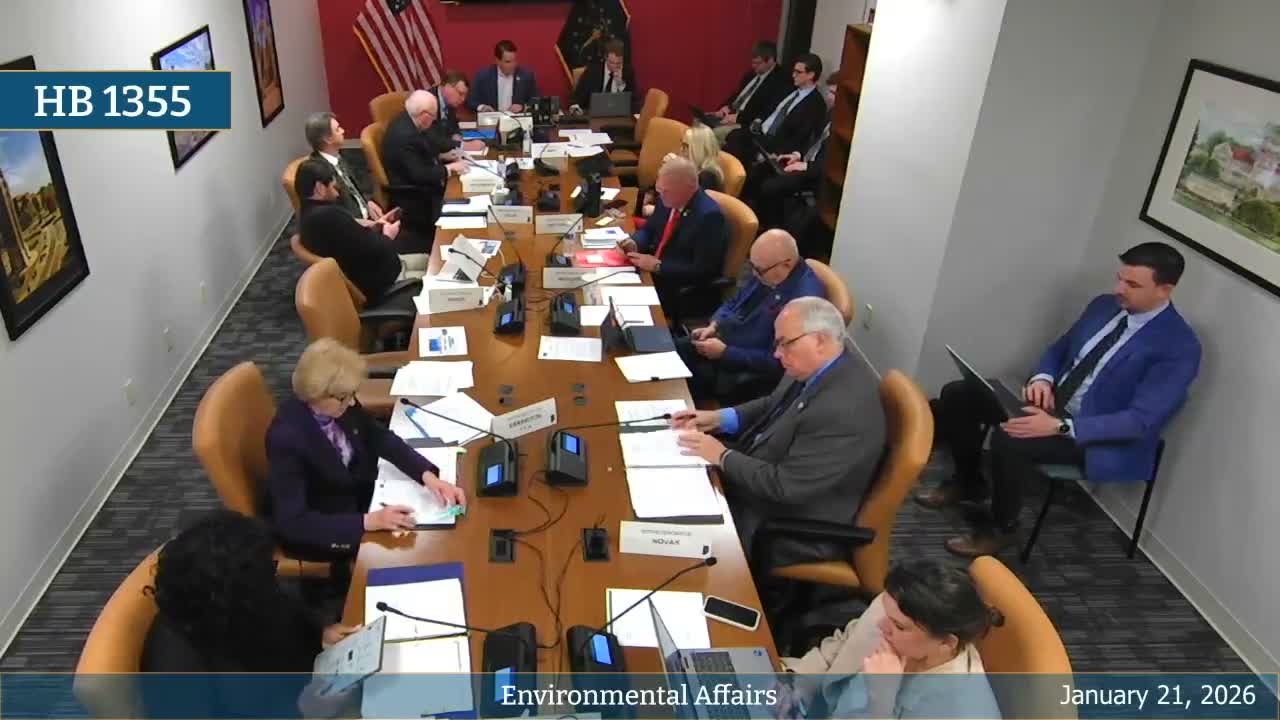
Representative Pressell opened debate on House Bill 13‑48 and described Amendment No. 2, which refines the bill’s approach to fats, oils and grease (FOG) control and adds limited septage provisions. The amendment clarifies sizing standards so licensed engineers size grease control equipment and prohibits blanket municipal mandates requiring a single trap size across all food establishments.
Abby Rabin, representing the Indiana Restaurant and Lodging Association, and multiple restaurant owners described how inconsistent local requirements create high and unpredictable costs for restaurateurs and slow openings across jurisdictions. “Throughout our state, every utility, every jurisdiction, they have different formulas and requirements for grease trap equipment,” Rabin said, adding that the bill requires a licensed PE or architect to size equipment so the result fits actual operational needs.
Haulers and utilities testified in favor of the bill’s intent to protect sewer infrastructure and to require grease hauler accountability. Jay Pippen (Owens Septic Service) urged enforceable standards for haulers to prevent poor practices that he said leave grease in systems and cause health and maintenance issues. Utilities (Citizens Energy Group) thanked the author for working with stakeholders but asked for continued refinement of septage language to avoid unintended treatment and permit conflicts.
Representative Pressell closed by noting the bill’s focus is on septage (the tank effluent) rather than septic system installation; he said the amendment’s grandfathering language protects communities that accepted septage before 2023. The committee took the measure by roll call; House Bill 13‑48 as amended passed with 12 yeas and one excused vote.
The amended measure establishes a statewide floor of grease control expectations, requires preconstruction coordination and codifies hauler accountability; it also adds a targeted septage provision intended to preserve treatment capacity and prevent ad hoc local refusals.