Santa Rosa council votes to introduce ordinance to speed up conditional use permits
Loading...
Summary
The City Council voted to introduce an ordinance and adopt a fee resolution that creates a director-level conditional use permit, lowers permit levels for some uses and broadens temporary-use approvals to spur business activation; council members emphasized transparency and agreed to revisit implementation in 18 months.
The Santa Rosa City Council on April 8 voted to introduce an ordinance that will streamline the city's conditional use permit (CUP) process, creating a director-level review for less intensive uses and expanding temporary-use rules for pop-up retail and interim activation of underutilized sites.
Planning deputy director Jessica Jones, who presented the item, said the amendments were intended to reduce timelines and costs for businesses while preserving neighbor notice and the right to request a public hearing. "There will be a 14-day notice to adjacent property owners within 600 feet prior to any director-level action," Jones said, adding that people can request a hearing and appeals would still be available to the planning commission.
Why it matters: staff told the council that many routine applications have previously required minor use permits that take months and cost about $10,000. The new director-level process is expected to take six to eight weeks and carry a fee in the mid-hundreds ("about $800"), a change council members and business speakers said would reduce red tape and lower costs for small operators.
Council questions focused on appeals and neighborhood compatibility. Councilmember McDonald pressed staff on how appeals would work; Jones replied that director-level appeals would go to the planning commission, and design appeals would go to the design-review board. Director Gabe Osborne said the findings required at the director level are the same as other review bodies and that the change would free staff time for more complex projects.
Public speakers were split: small-business representatives supporting the change said it would cut weeks or months from their timelines, while some residents urged caution and a future review. David Harris, a longtime resident, asked whether nonprofit projects might need a different fee structure and suggested a sunset or scheduled revisit after an implementation period.
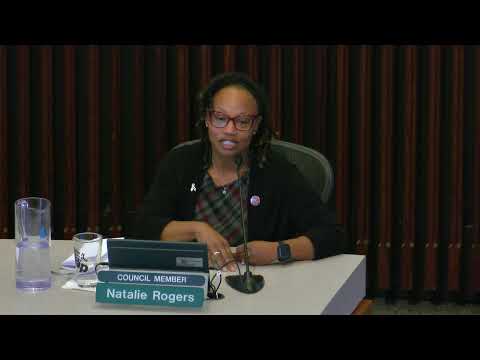
The council voted to introduce the ordinance and adopt the fee resolution as presented. The motion, made by Councilmember Rogers and seconded by Councilmember McDonald, passed with five affirmative votes (one councilmember absent). Council directed staff to continue community engagement and agreed to an 18-month check-in on how the process is working.
The ordinance introduction was accompanied by a separate resolution establishing the director-level fee; staff noted the fee aligns with other director-level processes in the municipal code.
What's next: the formal ordinance will return for required readings and adoption steps per the city's process; staff will continue outreach and bring any recommended amendments back to the Council as implementation proceeds.