Lifetime Citizen Portal Access — AI Briefings, Alerts & Unlimited Follows
Springfield to begin permanent pothole repairs next week; council hears environmental concerns
Loading...
Summary
At a March 17 committee meeting, DPW Director Chris Signoli told councilors the city has three crews working potholes and expects hot‑mix asphalt to be available next Monday for permanent repairs. The council requested weekly progress reports and a follow-up in about four weeks.
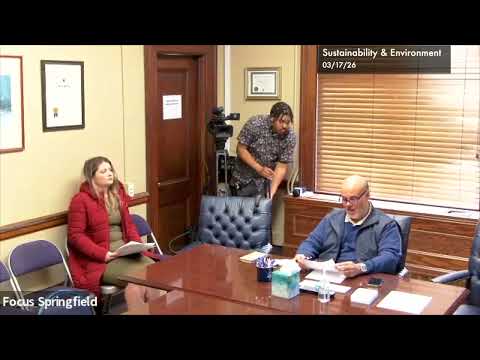
Councilor Victor Davila pressed the Department of Public Works on March 17 to speed repairs and to consider environmental effects as the city responds to a season of heavy snow and widespread roadway damage. DPW Director Chris Signoli told the Sustainability and Environment Committee the city has three crews working now and expects to begin permanent hot‑mix asphalt repairs next Monday, when at least one plant reopens.
"It is not sand. It's roadway millings," Signoli said when asked about the bagged material the public has seen placed in large potholes; he framed the bags as a temporary base that holds material in deep failures until permanent asphalt is available. "The actual hot mix asphalt is gonna be available ... next week," he added.
Why it matters: committee members emphasized not only the safety and vehicle‑damage risks from potholes but also environmental concerns such as increased vehicle emissions from repeated braking and acceleration, oil and fluid runoff into storm drains, and pavement degradation that can create fine particles. Davila opened the meeting by saying the season had delivered heavy snowfall — "I think we got in, like, 65 inches of snow so far" — and argued the city should treat potholes as an environmental as well as maintenance issue.
What the DPW told the committee: Signoli described the city's near‑term and seasonal approach. Crews have been doing temporary cold‑patch and bagged millings during a period of rain and freeze; cold patch performs poorly in wet spring weather, he said, so the DPW will shift to hot‑mix asphalt for permanent repairs when plants open. He said the city had three crews in the field for the past two to three weeks, two crews operating hot boxes to keep material warm and a separate truck crew; once hot mix is available the department's road patcher will create additional capacity.
Signoli estimated the concentrated work to clear the pothole backlog will take "a good 3, 4 weeks," though routine pothole response continues year‑round. He described a sizable paving program for the fiscal year — roughly $6.5 million in total paving work, supported by a Chapter 90 allocation of about $5.5 million plus other state and rural‑roads funds — and said final street lists will be presented to council in April as part of the Chapter 90 submission.
Responsibility and utility work: Signoli told the committee a substantial share of failed trenches and recurring defects trace to utility excavation work and follow‑up failures. He said the DPW has put utility companies on notice to complete repairs and that some large locations on state or contractor‑maintained roads are the responsibility of the state Department of Transportation or their contractors.
Priorities, reporting and claims: The DPW said it prioritizes repairs based on 311 reports (so locations are documented and can be closed out if claims arise) and by visible, large failures and chronic streets. Signoli urged residents to report potholes through 311 rather than social media so the city can track work and potential liability. When asked about vehicle‑damage claims, Signoli said claims typically arrive in April and he had not yet seen an unusual number this season.
Salt and winter practices: Asked about salt, Signoli said the city goes out to bid each year for an untreated salt product and treats it on trucks with liquid calcium as conditions require; switching to a more expensive treated salt for all streets would substantially raise costs and capacity demands. He also confirmed the city imposes an annual winter moratorium on non‑emergency excavations (typically beginning in early December) and plans to lift that moratorium next Monday to allow utilities to resume non‑emergency work.
Next steps: Davila asked for weekly written progress reports — the DPW agreed to provide work‑order lists every few days — and scheduled a follow‑up progress meeting in about four weeks. Council members also raised several specific street requests (for example, Thompson Street and multiple locations in Indian Orchard) and Signoli offered to coordinate crews directly with council offices.
The committee adjourned after the follow‑up arrangements were made; no formal motions or votes on policy were taken during the session.