Lifetime Citizen Portal Access — AI Briefings, Alerts & Unlimited Follows
Witness describes life with drug‑resistant valley fever, urges basic infection prevention
Loading...
Summary
A witness recounted developing drug‑resistant valley fever that progressed to meningitis after first‑line treatment failed, described harsh side effects from intravenous therapy and urged simple prevention measures such as handwashing.
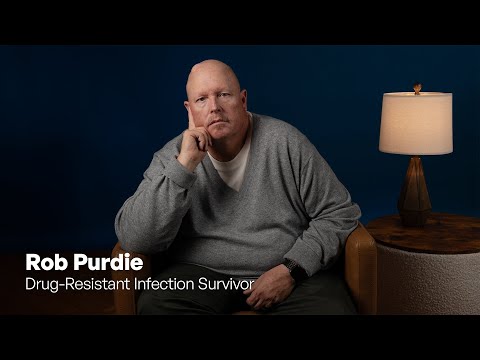
A witness described living with drug‑resistant valley fever that spread to his central nervous system and caused meningitis, saying the first antifungal prescribed "didn't work." He told listeners the failure of that medication left him reliant on older intravenous therapy with severe side effects.
"When the germs are defeating the drugs that are designed to kill them, it's considered a drug resistant infection," the witness said, summarizing why his treatment options narrowed after the initial drug failed to control the illness. He said the resistant infection required a drug in the polyene class that cannot be taken orally and must be given through a port.
The account put a human face on a technical public‑health problem. The witness said drug‑resistant infections "are becoming too common" and "impact millions of people around the world every year," and described how treatment and illness have reshaped his daily life and family responsibilities.
He recounted being hospitalized on Valentine's Day and the emotional strain on his wife and children: "She was looking at me and just not believing that I was ever gonna come out of the hospital." The witness said family members shifted roles — his wife went back to work while he took on household duties — and that family support was central to his survival.
Describing his current regimen, he said, "This bump that you can see on my head right here is actually a port, and that's how they administer this drug to me." He added that the intravenous medication makes him "violently ill" when it reaches his stomach and that, because first‑line drugs failed, there is "no other option for me." He called his condition a chronic infection and "a life sentence." He also said the medication made him very sensitive to sunlight, increasing concerns about skin cancer.
Beyond describing his own treatment, the witness said he now helps other patients and families navigate the disease and tries to promote prevention. "One of the easiest ways to prevent infections is just cleanliness, washing your hands," he said, urging people to treat cuts promptly and attend to simple hygiene to reduce risk.
He closed by saying his goal is to spend more time with his grandchildren and that family support remains a key motivation. No policy proposals, formal requests to a governing body, or specific treatment recommendations were made during the testimony.