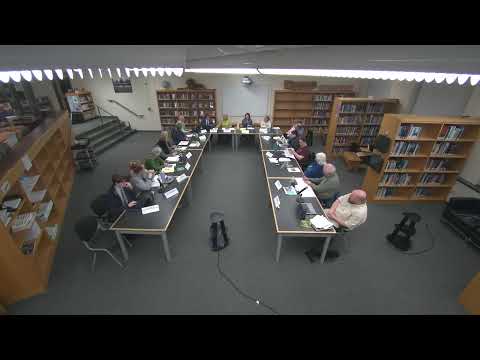
School board declines to authorize negotiations with First Student after lengthy debate
Loading...
Summary
After extended public comment and a detailed presentation from First Student about buying the district fleet and operating transportation, the Merrimack Valley School Board voted 5–6 on April 6 against authorizing administrators to negotiate a five‑year contract; board members and bus drivers had raised concerns about asset sales, benefits and long‑term leverage.
The Merrimack Valley School Board on April 6 considered a proposal that would have had First Student buy the district bus fleet and operate student transportation under a proposed five‑year contract. First Student representatives said the package would include a roughly $1.3 million purchase of the fleet and estimated potential in‑district savings of $300,000–$500,000 a year; the company proposed a five‑year agreement with a 4% annual increase in years two through five and outlined proposed driver pay and bonuses.
Pamela Dunlap, a district bus driver, told the board she has built ties to students and would be unlikely to stay if the district’s service was no longer run by the Merrimack Valley School District. "I would just really, really be sad if it wasn't under the Merrimack Valley School District anymore," Dunlap said during public comment, summing a theme repeated by several drivers and parents who worried about change and job security.
First Student director of business development Ryan Stanley described the company’s offer to the district: "We're buying the fleet, cutting a check for the district for $1,300,000," he said, and added that the company planned to offer market‑appropriate wages, a five‑hour daily minimum guarantee for drivers, sign‑on bonuses and other benefits. Stanley said the company would keep routes and hiring local drivers where possible, and provide technology such as a parent tracking app and tablets for vehicle inspections.
Herbie Bonk, a longtime First Student operations representative, appealed to drivers’ relationships with students: "You're gonna have the same kids. Same bus," he said, stressing continuity and local staffing in his remarks.
Board members and drivers pressed First Student and district staff on pay continuity, sick leave, retirement, whether the district could preserve tax‑exempt fuel purchases, how charters and out‑of‑district trips would be tracked, and what would happen if a district wanted to resume its own operations later. Sam, a district administrator, told the board that the district’s Transportation Committee had sought the full board’s input and that the administration could negotiate contract language if directed.
After discussion the chair moved that the board authorize the SAU administration and counsel to finalize terms and negotiate the proposed five‑year contract and return a final agreement for a vote in May. The motion was seconded and taken by roll call. Using the roll‑call roster from the meeting (Tracy Brickey; Spencer Dickinson; Ryan Gunn; Melissa Muzzy; Jessica Wheeler Russell; Laura Vincent; David Nesbitt; Julia Jones; Stacy Jarvis; Lorna Carlo; Amanda York), the clerk recorded five yes votes and six no votes; the motion failed and the board did not authorize negotiations.
Next steps: without board authorization, the administration will not proceed with negotiations on the terms presented. Several board members urged further study — including a routing/feasibility analysis and a public forum — before re‑opening the question. First Student representatives said their pricing and proposal were for a July 1 start date and that the company would be available for follow‑up if the board chose to reopen negotiations later.
Votes at a glance: the motion to authorize negotiation of a five‑year contract with First Student (07/01/2026–06/30/2031) failed on a roll call (5 yes, 6 no).