Oconee County commissioners vote to pursue county-run EMS, approve ambulance and equipment purchases
Loading...
Summary
The Oconee County Board of Commissioners voted April 7 to pursue a county-run emergency medical services operation, approving contracts to buy five ambulances and equipment and estimating a net taxpayer cost of about $1.9 million.
The Oconee County Board of Commissioners voted April 7 to move forward with establishing a county-run emergency medical services (EMS) operation and approved cooperative-purchase contracts to buy five Type‑1 ambulances and related equipment.
Chair said the decision follows town-hall feedback and years of oversight changes after local hospitals ended hospital‑based ambulance service. Chair outlined concerns about response times and billing under private providers and presented a startup plan that would prioritize 911 readiness, staff with paramedics and emergency medical technicians, and initially field three to four operating ambulances with five Type‑1 units in the fleet.
Why it matters: Commissioners said local control and direct oversight would give the county more accountability over response times, billing practices and operational performance. Chair told the board that an oversight committee created with the hospitals stopped meeting after a 2019 legal opinion and that county staff had observed negative trends in response times and in billing and collection practices since late 2024.
Details of the plan and costs: Chair described the proposed staffing and vehicle plan and said the county expects a net cost to taxpayers of $1,900,000 to start the service. The board approved a cooperative purchase under an HGAC contract (AM 10 23) to buy five Type‑1 ambulances on 2026 Ford F‑350 XLT chassis at $224,800 per unit — $1,240,000 total — to be funded from SPLOST. The board also approved a Sourcewell cooperative purchase from Stryker Sales LLC for ambulance equipment to outfit the five ambulances at a total cost of $768,279.65, to be funded from SPLOST capital or opioid funds.
Direct quotes and oversight: Chair summarized the operational focus in presenting the plan: "Our startup focus will be 100% on 9 1 1 readiness, no nonemergency transports, standby, and dedicated truck assignments based on policies that support our 9‑1‑1 readiness," and described intended staffing including an EMS director and shift supervisors.
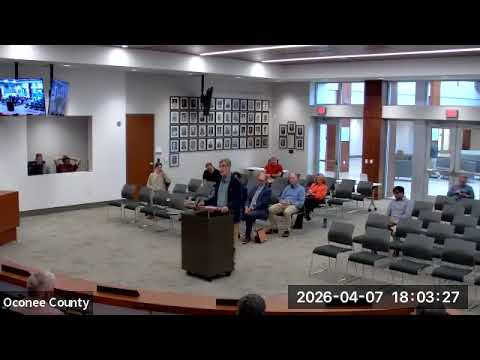
Public input and next steps: A town‑hall on March 26 and a public comment from Tommy Malcolm at the meeting were cited in the board discussion. After brief public comment and questions about funding and volunteer involvement, a commissioner moved to proceed with the county-run EMS plan; the motion was seconded and carried by voice vote. The board then approved the ambulance and equipment contracts at the same meeting. The board did not set a public implementation date at the meeting; staff will return with procurement next steps and scheduling for vehicle delivery and stationing.
Funding and oversight: Officials said purchases will use cooperative purchasing agreements and conform to county purchasing policy. The ambulance purchase is to be funded from SPLOST; equipment funding was described as coming from SPLOST capital or opioid funds. The board emphasized that the county will retain local oversight and that an EMS director and supervisors would manage operations.
What happens next: Staff will proceed with the cooperative‑purchase contracts and follow county procurement and vehicle upfitting schedules. The board asked staff to return with operational timelines and further staffing details for subsequent meetings.