Pennington County directs state’s attorney to draft ordinance for Senate Bill 96 sales-tax option to lower owner-occupied property taxes
Loading...
Summary
Commissioners asked the county attorney to draft a local ordinance to implement Senate Bill 96 — a half‑cent sales‑tax option counties may use to offset owner-occupied property taxes — and agreed to public vetting. The board discussed timing, implementation, tax-shifting effects and directed preparatory work for possible adoption in late 2026.
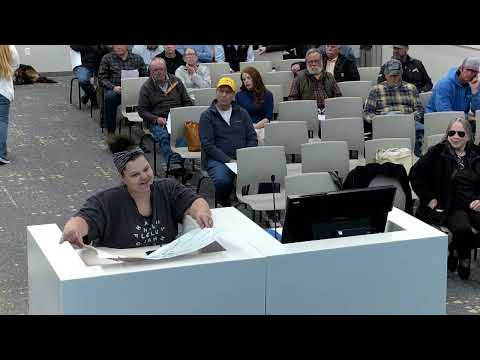
The Pennington County Commission voted April 7 to ask the county’s state’s attorney to draft a local ordinance implementing Senate Bill 96, a measure that would let counties use a half-cent increase in the state sales tax return to offset owner-occupied property taxes. The board directed staff to produce a draft for public review and to return with analysis of legal steps and timing.
Tyler Sobzak, Pennington County’s state’s attorney, explained the implementation pathway and timing constraints. For a county ordinance to become effective under the Department of Revenue’s guidance it must be enacted and the county must notify the Department of Revenue at least 90 days prior to an applicable January 1 or July 1 effective date. Given the late‑season calendar, Sobzak recommended aiming for a January 1, 2027 effective date and advised the board that draft language and public hearings should proceed this summer to meet notification deadlines.
Commissioners debated trade-offs. Supporters said SB96 would reduce owner-occupied property-tax bills — Department of Revenue estimates suggest a hypothetical $325,000 owner‑occupied home in Pennington County might see roughly a 22–35% reduction in property taxes depending on whether additional state funds are applied with it. Detractors warned SB96 shifts some tax burden to sales-tax payers — including visitors and local consumers — and emphasized that the county budget itself would not change; implementation simply substitutes sales-tax receipts for a portion of owner-occupied property taxes unless the board separately alters budget or levy decisions.
The commission gave the state’s attorney authority to draft a local ordinance and return with recommended text and an implementation timeline for public vetting. Commissioners asked staff to include clear revenue/impact models and public-engagement opportunities before adopting an ordinance.
What’s next: County counsel will draft ordinance language and an analysis for the board; commissioners expect public hearings and additional briefings before any final vote.