Senate committee holds internet‑safety bill amid concerns over employee coverage and practicality of a curated list of websites
Loading...
Summary
Senate Bill 1912 would extend internet acceptable‑use requirements to public charter schools and pre‑K–12 instructional materials, require twice‑yearly policy review, and mandate complaint processes and third‑party audits; members raised concerns about excluding employees, the burden of maintaining an "acceptable websites" list and effects on instruction, and the committee held the bill for amendment.
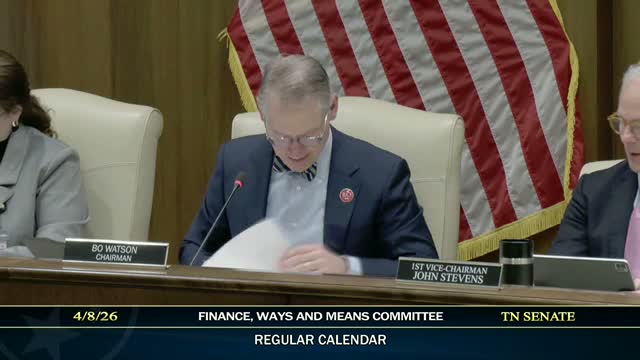
The Senate Finance Committee on April 8 held SB 1912 for further language work after robust debate over how the bill would change local school internet practices.
Sponsor Senator Hensley described the measure as intended to keep school‑issued internet access appropriate for students and to expand existing policy requirements to public charter schools and online instructional providers. He told members the bill "requires each LEA to review its policy at at least twice each year and update as needed" and would require providers to block certain harmful content and establish complaint processes for alleged prohibited material.
Several senators voiced concerns about gaps and practical effects. Senator Stevens asked why the amended version appeared to remove employees from the restriction, noting current law applies to district employees and students. Senator Hensley responded the bill focuses on students and that staff could use personal devices to access unrestricted material, but members said that omission may not have been the sponsor's intent and asked for language clarifying employees' status.
Senator Yarbrough raised the operational question of compiling and maintaining a list of acceptable websites, noting the Internet's constant flux and examples where curriculum materials or event pages could be excluded if policies were not updated promptly. "It would require LEAs to have a list of websites that are deemed acceptable... the practicality of this" was a core concern, he said. Another senator warned about the bill's effects on media literacy and instruction as students progress into higher grades.
Senator Hensley said the bill seeks to protect younger students (pre‑K through fifth grade) and gives schools a year to prepare for implementation; he agreed the language could be worked on. Chairman Watson and members agreed to hold the bill to allow drafting changes that would clarify employee coverage and practical compliance requirements.
What happens next: The committee will consider amended language intended to address members' concerns, including employee coverage and the mechanics of acceptable‑website lists, before resuming consideration.
Sources: Sponsor Senator Hensley and questions from committee members during the April 8, 2026 hearing.