Committee hears bill to boost funding for homeownership counseling program (HECAT)
Loading...
Summary
House File 18‑79 would increase support for HECAT, the Homeownership Education, Counseling and Training fund, which state witnesses say reaches nearly 9,000 households statewide and helps prevent foreclosure; the committee laid the bill over after questions about funding sources and metrics.
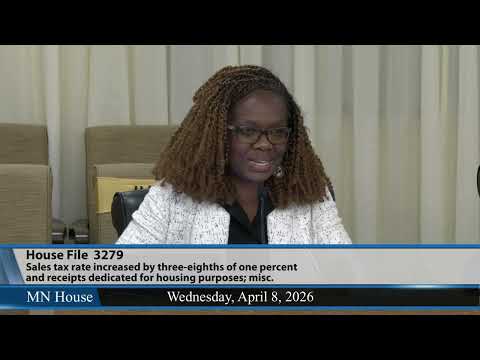
Representative Kozlowski presented House File 18‑79 to shore up the Homeownership Education, Counseling and Training (HECAT) fund, describing it as the primary statewide support for a network of 30+ counseling organizations that reach families across Minnesota.
Sponsor testimony highlighted HECAT’s role in providing one‑on‑one counseling, homebuyer classes and foreclosure prevention. “HECAT is the primary source of funding that reaches nearly 9,000 households,” the sponsor said, adding that the program has a high success rate in averting foreclosure for participants. Witnesses gave concrete client examples: Mikita Davis of 3 Rivers Community Action described a first‑generation buyer who closed on a home in June 2025 after long‑term counseling; Kirsten Burch of PRG Inc. said Minnesota saw over 18,600 preforeclosure notices in 2025, signaling rising need for counseling capacity.
Denise Butler of ACER, testifying virtually, urged that HECAT funding include standardized, culturally responsive training on homeowners association (HOA) issues and offered ACER’s participation in curriculum development.
Members asked why the proposed funding would come from the housing development fund rather than the general fund or existing Minnesota Housing Finance Agency reserves; the sponsor said staff would follow up with specifics and provide data packets. Committee members also requested more granular metrics on HECAT outcomes by region; the sponsor pointed to an existing one‑pager with regional breakdowns and offered to circulate it.
The committee laid the bill over. Next steps include follow‑up on funding sources and distribution details as members weigh competing budget priorities.