Get Full Government Meeting Transcripts, Videos, & Alerts Forever!
Get email alerts on the Agritourism topic
No spam. Unsubscribe anytime.
Long public hearing on agritourism: board closes testimony, directs planning to return with scalable options
Summary
After hours of testimony from ranchers, wineries, conservancy groups and residents, the board closed the agritourism public hearing and asked planning staff to return with a scalable permitting approach, guidance on weddings, and clearer RV/overnight rules tied to existing dwellings.
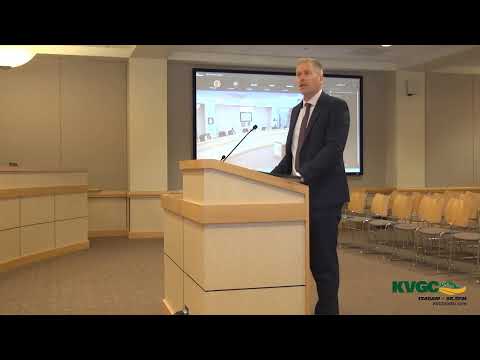
The Board of Supervisors spent much of its March 24 meeting on a continuation of a public hearing over proposed agritourism amendments that would expand by‑right agritourism activities in certain zone districts while keeping limitations (ministerial permits for small events, use permits for larger gatherings or camping).
Planning staff said the draft codifies a list of agritourism activities and sets a threshold (25 people by right; larger gatherings would require a use permit and additional environmental review). Planning staff and the Foothill Conservancy urged careful thresholds to protect rural infrastructure and emergency access; the planning department noted ministerial over‑the‑counter permits would be modest (e.g., application fees) while larger conditional permits require environmental review fees and planning‑commission action.
Public testimony was lengthy and sharply split. Producers and ranch owners explained that agritourism can provide critical supplemental revenue for agriculture and cited winery rules that already allow events. Several operators urged expanding allowable events or creating a scalable approach tied to parcel size, setbacks, parking and road suitability. Kirkland Ranch representatives asked the board to allow RV accommodations under a use permit and warned that litigation threats from a nearby property owner were disrupting projects; other neighbors and residents pressed for limits to avoid ‘train‑wreck’ scenarios where multiple events and amplified music would overwhelm rural roads.
On procedural items the board closed the public hearing by a unanimous vote. Supervisors said they wanted planning staff to return with options that allow smaller, low‑impact agritourism while protecting neighbors—possible measures included a three‑tier permitting system (by‑right small events, ministerial site‑review for intermediate events, full discretionary permit for large events), caps on the annual number of large special‑event permits, and clearer treatment of weddings and RV occupancy tied to an existing residence. The board also asked staff to clarify costs to applicants (ministerial vs. discretionary fees) and to consider a streamlined special‑event permit option to reduce barriers for farm operators seeking supplemental income.
No ordinance was adopted March 24; planning will prepare amended language for the planning commission and return to the board for final action.