Get Full Government Meeting Transcripts, Videos, & Alerts Forever!
Get email alerts on the Housing topic
No spam. Unsubscribe anytime.
City releases balanced housing strategy data showing aging population and proposes targets to add roughly 775 households over 10 years
Summary
City staff presented initial Phase 1 data for a Balanced Housing Strategy: an aging population (median age reported near 64.1), housing-unit growth outpacing population, higher short-term rental share, and proposed targets including 775 new households over 10 years (600 to working-age households, 175 to Sedona seniors).
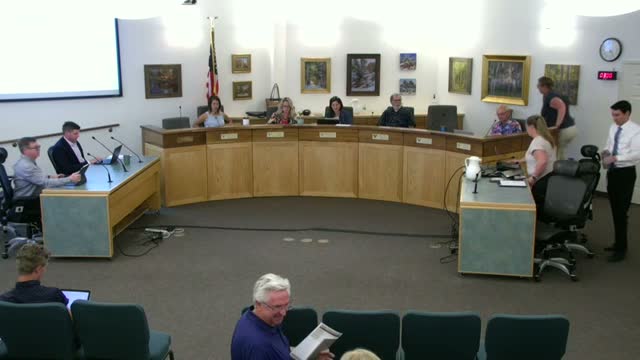
City planning staff presented initial data from a new Balanced Housing Strategy at the April 7 Planning & Zoning Commission meeting, outlining demographic trends, housing stock changes and draft targets intended to stabilize and rebalance Sedona’s population and workforce.
Presenter (identified by colleagues as Tony) summarized core findings: the community’s median age has moved higher (presented near 64.1 years), households have grown even as population showed little change, and housing-unit growth (cited as roughly 22% since the prior comparison) has outpaced population change. Staff cited an average single-family home sales price of about $886,000 and said short-term rentals account for roughly 18.1% of housing stock, noting changes in the short-term rental market and a large increase in single-family homes used as short-term rentals.
Tony told the commission the Balanced Housing Strategy reframes the question from total cost-burdened households to the kinds of households the community wants to sustain, and proposed a set of targets intended to be achievable without losing local quality of life. Those targets included increasing student population by 50% over 10 years (to roughly 1,000 students), increasing the share of critical employees who live in Sedona by about 15% (teachers, police, firefighters, nurses), reducing the number of cost-burdened seniors and suggesting half of new units be ownership opportunities. Staff said the model produced a target of roughly 775 households over 10 years: 600 working-age households and 175 dedicated to Sedona seniors.
Commissioners asked detailed questions about data sources, definitions and assumptions. Staff said many of the estimates relied on ESRI data and additional local sources (Chamber wage surveys, school district enrollment data, fire district and health region numbers) and acknowledged limitations: commuter and employment data used 2022 sources affected by pandemic-era patterns and some estimates carry large margins of error for small municipalities.
Commissioners and public commenters raised practical concerns about affordability, the feasibility of meeting the targets and how the city might implement strategies (including whether the council would be willing to make fiscal commitments). One commissioner asked whether the 775-unit target was materially different from a prior housing needs assessment that estimated 1,800 units; staff said the two studies use different methodologies and policy goals and that the balanced strategy intentionally prioritizes achievable change while minimizing impact on community character.
Public comments during the session included supportive and skeptical views. Tim Perry noted data concerns and urged caution in how the city interprets historic short-term rental trends; other residents and commissioners suggested additional data checks (including preschool enrollment and charter school counts) and emphasized that implementing any strategy will require coordination with council and likely some public investment or regulatory changes.
Staff said Phase 1 (analysis and understanding) would wrap up in a few weeks and then be handed to the consultant (Logan Simpson) for the strategies-and-solutions phase; the consultant contract and the second phase were described as forthcoming with estimated consultant fees referenced during Q&A.