Get Full Government Meeting Transcripts, Videos, & Alerts Forever!
Get email alerts on the Poet Laureate Policy topic
No spam. Unsubscribe anytime.
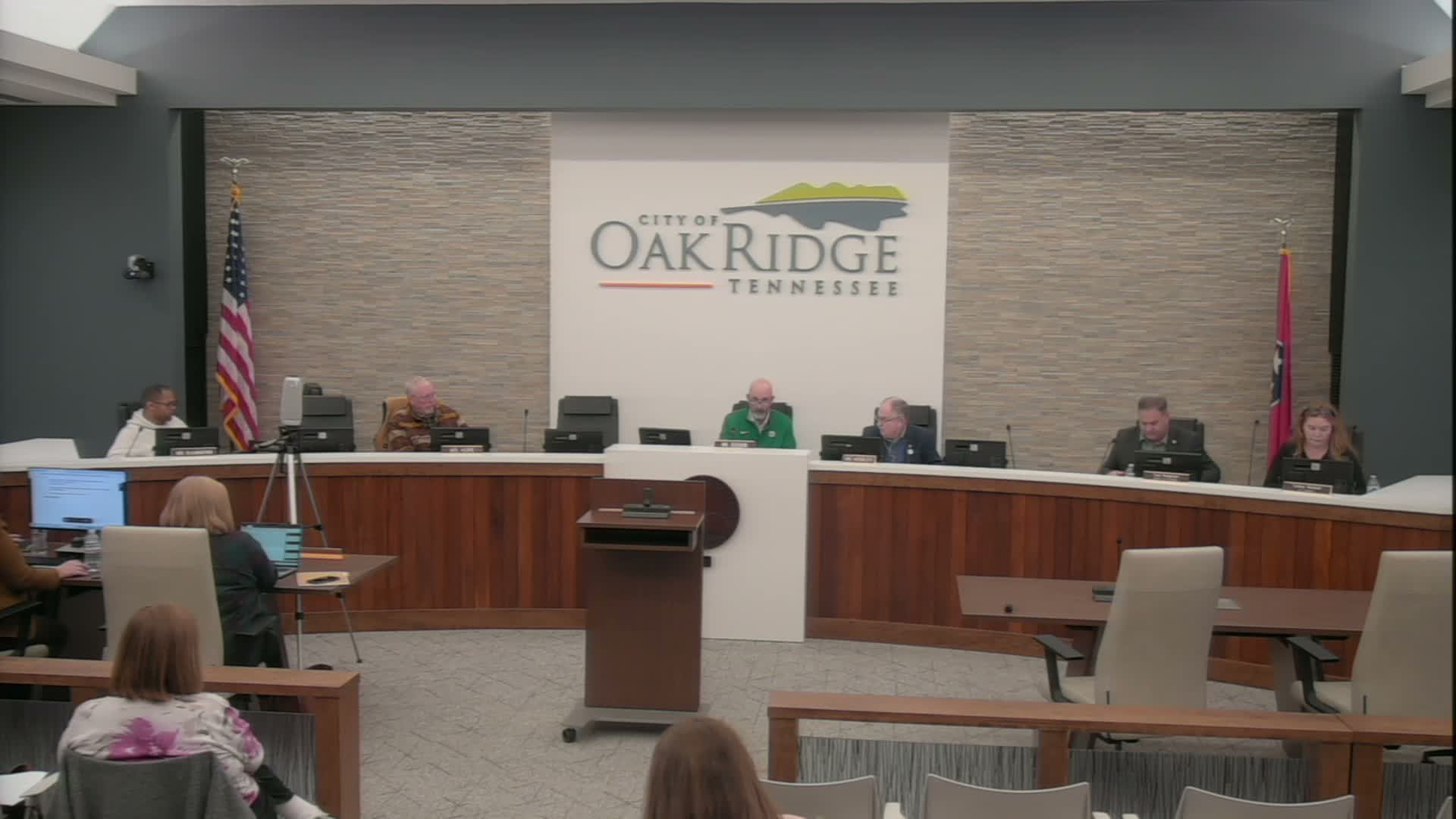
Council debates stipend for poet laureate; policy currently bars city funds
Summary
Council discussed whether to reimburse travel or pay a stipend to the city poet laureate after the previous holder reported no travel compensation; the city attorney reminded council that a standing policy and the city charter prohibit city funds for this honorary position, and the mayor voiced opposition to a stipend.
Council considered whether to provide reimbursement or a stipend to the city’s poet laureate after Julie Fortner relayed the prior poet laureate’s experience that she received no travel compensation and recommended a two‑year approach to the role (development year one; community engagement year two).
Fortner told council that the prior poet laureate traveled (Knoxville, Johnson City, Chattanooga) without compensation and recommended allowing time for program development and then community engagements. "She noted that she received no compensation for her travel," Fortner said.
Council members debated whether reimbursing travel or offering a small stipend would be appropriate. Some members said the position is honorary and volunteer‑based and warned that paying a stipend could create precedent issues or require similar compensation for other volunteer roles. Reverend Hammond and other councilmembers urged caution about creating a recurring stipend without clear expectations.
City Attorney Miss Rachard reminded council that the existing policy and the resolution establishing the poet laureate specify that no city funds be paid to the poet laureate and that the city charter prohibits compensation for boards and commissions. Mayor Gooch said he remains opposed to paying a stipend for a voluntary position.
Staff said it will prepare the poet laureate agreement so expectations and obligations are explicit; no change to policy or ordinance was adopted at the work session.
Next steps: staff to draft an agreement clarifying the poet laureate duties and to flag policy constraints; any change to compensation would require modifying the existing policy or resolution and, if necessary, charter considerations.