Get Full Government Meeting Transcripts, Videos, & Alerts Forever!
Get email alerts on the Coroner Training topic
No spam. Unsubscribe anytime.
Committee passes coroner training, hospital blood-retention changes
Summary
The Local Government committee approved House Bill 10 31 as amended to codify coroner training standards, establish enforcement and reimbursement mechanisms, and clarify hospital first-draw blood-retention rules; the vote was recorded 10-0.
At its first 2026 Local Government meeting the committee passed House Bill 10 31 as amended, a county coroner bill that sets minimum training hours, creates enforcement tools and clarifies hospital first-draw blood-retention protocols.
The bill, presented by Representative Karen Englewyn and explained in detail by Abby Raven of Ice Miller representing the Indiana State Coroners Association, requires a minimum of 40 hours of initial in-person training (including classroom instruction, a certification exam and a supervised externship) and at least eight hours of annual continuing education. The amended language also makes technical corrections to Road Act 11 94 regarding hospital procedures for retaining first-draw blood samples in potential coroner cases.
Raven told the committee the measure “is really about training standards and accountability for coroners and deputy coroners,” and said the state’s existing coroner training program is highly regarded by other states. Raven explained that the 40 hours must be completed in full (for example a continuous week or two weekends), that trainees must pass the exam and complete the externship, and that those requirements will remain even if the coroner’s training board’s membership changes.
The amendment clarifies enforcement and cost responsibilities: a coroner or deputy coroner may not conduct a death investigation or sign a death certificate unless they have completed the required training; violating that requirement is made a Class B misdemeanor in the amended text. The measure permits the coroner’s training board to seek reimbursement from the county for training costs (Raven estimated the training expense at about $1,200 to $1,400 per trainee) and allows the county to pursue reimbursement from the individual if the county chooses to do so.
On hospital blood protocols, the bill clarifies that hospitals must follow a first-draw blood protocol only when the patient is admitted and that hospitals are not required to retain the sample if retaining it would conflict with the patient’s clinical care or if the first sample is adulterated.
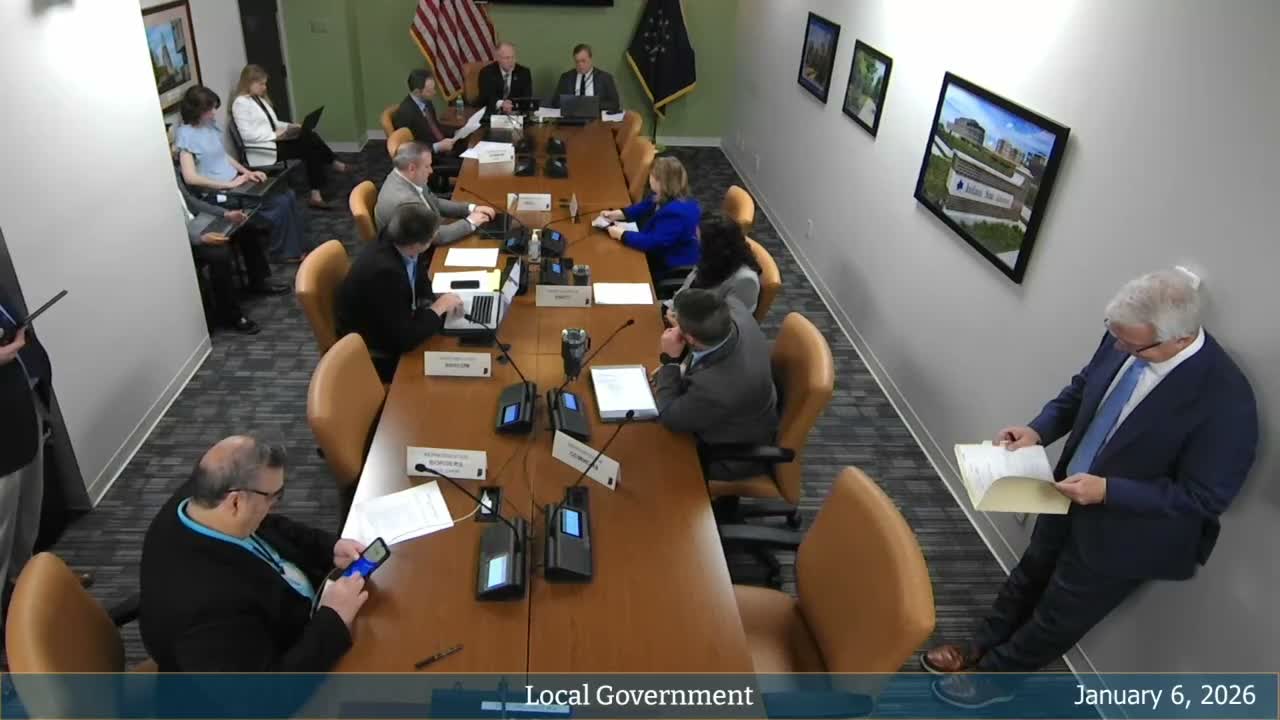
After brief questions from committee members about how the 40 hours are scheduled, a motion to pass the bill as amended carried on roll call, recorded in the transcript as 10-0. The committee did not record amendments beyond the ones adopted by consent during the hearing. The bill was reported from committee as amended; the transcript records the roll-call outcome and the chair’s congratulations to the bill’s sponsor.