Lifetime Citizen Portal Access — AI Briefings, Alerts & Unlimited Follows
House committee advances bill to permit online Hoosier Lottery sales, 9‑3
Loading...
Summary
The House committee voted 9‑3 to move House Bill 10‑78, which authorizes the Hoosier Lottery to sell draw games and e‑instants online; supporters said digital platforms improve responsible‑gaming tools and modernize delivery, while some members pressed for retailer incentives and competitive contracting details.
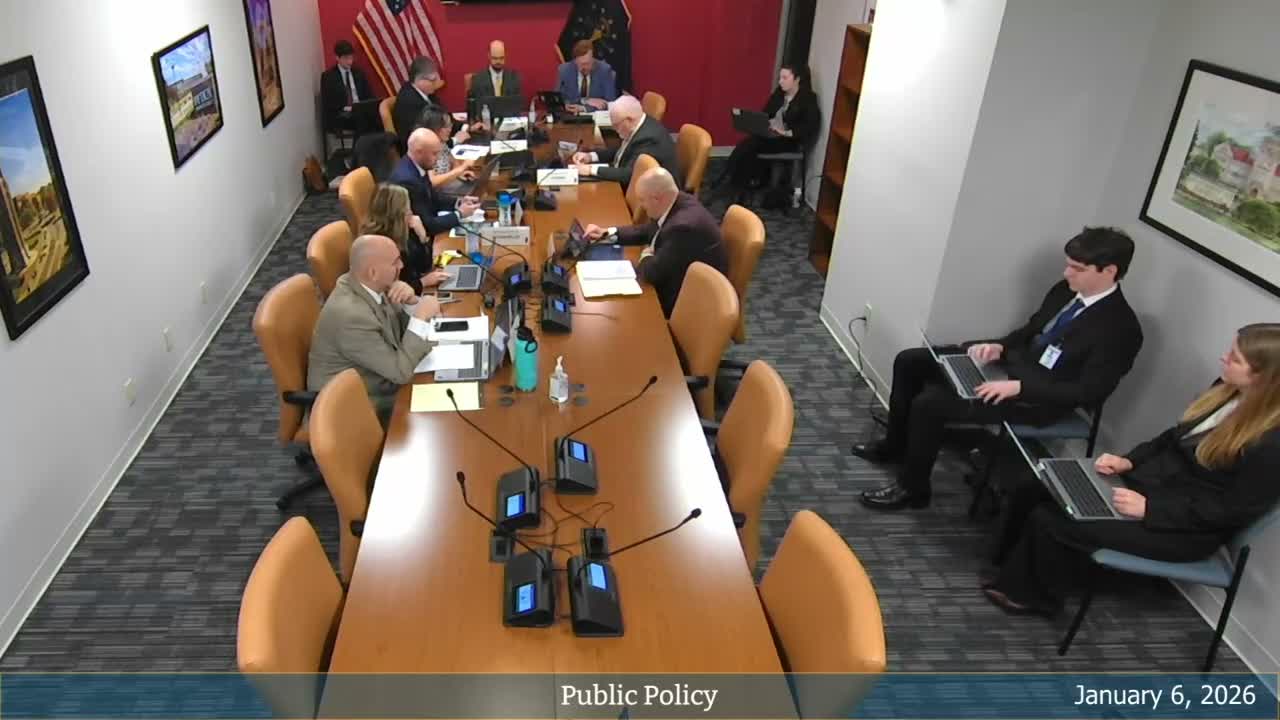
House Republican members of the committee voted to advance House Bill 10‑78 on a 9‑3 roll call after hearing testimony that the measure would let the Hoosier Lottery sell draw games and e‑instant tickets through a secure online platform.
The bill’s principal witness, Jared Bond, director of external affairs for the Hoosier Lottery, told the committee the proposal “modernizes how the lottery products are sold, not necessarily what products are sold,” and emphasized built‑in protections such as age gating, identity verification, transaction monitoring, player spending and session limits, and a voluntary exclusion program.
Supporters framed the bill as a revenue‑modernization backed by research from other states. Bond cited industry reports and a fiscal estimate showing surplus revenue to the state between about $31.5 million and $91 million annually after the third year of implementation. He also pointed to data from early‑adopter states and industry studies that, in his description, found no clear evidence of sustained brick‑and‑mortar cannibalization when digital channels were introduced.
Retail and small‑business interests sought clearer guarantees for local stores. Matt Norris, public policy counsel for the Indiana Food and Fuel Association, said his organization is neutral on iLottery but urged explicit retailer benefits; he noted the 6% retail commission on traditional ticket sales is increasingly eaten by interchange and swipe fees and asked the legislature to consider a direct retailer‑incentive mechanism or a commission increase.
Public‑health witnesses urged caution. Lisa Hutchison of Mental Health America of Indiana told the committee that gambling participation is already widespread among 18‑ to 24‑year‑olds and that online access can magnify youth risk. “We urge this committee to proceed cautiously,” she said, calling for robust age and identity verification, deposit caps, limits on credit in digital wallets and more funding for prevention and treatment.
Members also probed vendor and contracting issues. Multiple lawmakers asked whether the lottery’s long‑term operations contractor (formerly IGT, now operating as Brightstar) would retain a role in any online offering and whether the state should require a competitive bid; Bond said Brightstar holds a performance‑based contract that contemplated digital services, but he agreed to follow up with more detail on ownership and contracting questions.
After questions and brief debate, the committee moved and seconded the bill and conducted a roll call. The clerk recorded nine yes votes and three no votes. Representatives who explained their no votes cited concerns about mandating competitive procurement and said they prefer to advance iGaming and iLottery together rather than in separate steps. The chairman said the bill will move to the House floor.