Get Full Government Meeting Transcripts, Videos, & Alerts Forever!
Get email alerts on the Home Health Reimbursement topic
No spam. Unsubscribe anytime.
Families and providers urge House Ways and Means to preserve home‑health rate protections in FSSA bill SB 275
Summary
Dozens of families, nurses and home‑health agencies told the House Ways and Means Committee that removing a statutory prohibition on cutting home‑health reimbursement (section 5) in SB 275 would worsen staffing shortages and force medically fragile Hoosiers into hospitals and nursing homes. FSSA said the change is intended to standardize rate methodology, not to impose cuts.
Dozens of families, nurses and home‑health agencies urged the Indiana House Ways and Means Committee to preserve a statutory protection that prevents the Family and Social Services Administration from reducing home‑health reimbursement rates.
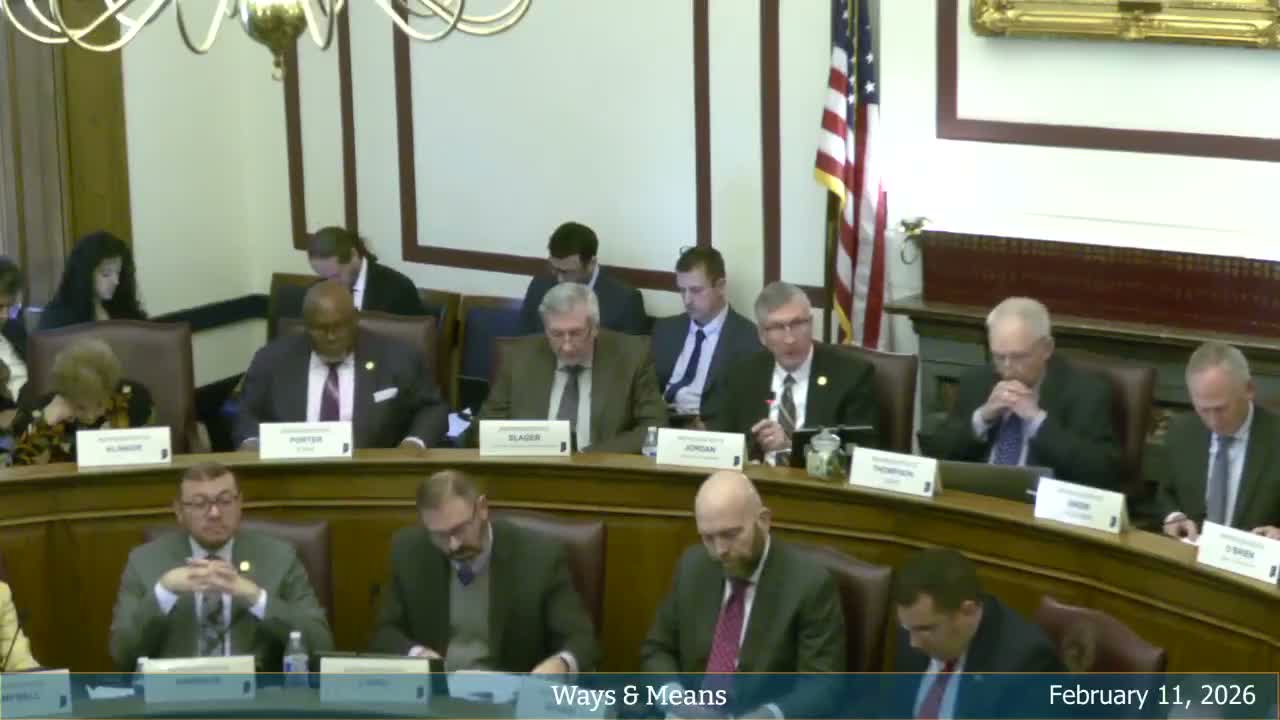
The testimony came during a hearing on SB 275, an FSSA bill that contains many provisions — including language that would remove the current prohibition on cutting home‑health rates and changes to estate‑recovery deadlines and notice periods for facility rate changes. "Striking that language seems clear to me will lead to reduction rates for home health services," Dr. Gabriel Boslett, a pulmonary and critical‑care physician who represents the Good Trouble Coalition, told the committee.
Why it matters: Providers and family caregivers argued that unpredictable or lower reimbursement would worsen already steep turnover in home‑health staffing, reduce access to skilled nursing in the community and push people into far more expensive institutional care. "If reimbursement rates are reduced, more nurses will leave the home‑health field for higher‑paying hospital and institutional positions," said Debbie Holcomb, a full‑time caregiver who described providing 125.5 hours of care each week for her adult son and relying on waiver and home‑health services to keep him at home.
Agency response: Liza Sherman, legislative director for FSSA, said the bill is aimed at cost containment and standardizing how rates are set across provider types. "The purpose is to standardize our rate reimbursement methodologies," Sherman said. Asked directly whether repeal of the statutory protection would automatically lead to cuts, she told lawmakers the change "would reduce the barrier" to modifications but that FSSA had not presented a specific cut plan at the hearing.
Industry and family accounts: Providers and advocates repeatedly explained how the current reimbursement structure works and why they rely on it. Michael Maple of Team Select Home Care said the program includes a daily overhead payment (he and other witnesses cited $34.50 per patient per day) that pays for nonbillable but required items — nurse supervisory visits, electronic visit verification, scheduling and other administrative costs. "When home health is supported, our great state will save money through the reduction of hospitalizations and delaying nursing‑facility admissions," Maple said.
Multiple witnesses cited workforce figures and cost comparisons to make their case. Industry witnesses estimated turnover ranging from 50% to 75% annually and described recent rate increases in 2023 that providers said had helped stabilize pay. Maple and others contrasted home‑care costs and hospital costs in testimony: "The average hospitalization for a pediatric patient is $4,250 a day," Maple said, compared with daily registered‑nurse reimbursement figures he placed near $544.
Legal and benefits concerns: Witnesses also flagged other sections of SB 275. Estate‑recovery language that would extend a filing period to 365 days drew questions from probate attorneys; Jeff Bridal, speaking for the State Bar Association section on probate and trust law, recommended shortening the deadline to nine months to reduce estate administration costs. Rebecca Geier of the National Academy of Elder Law Attorneys told the committee that lowering income thresholds in other provisions would make tens of thousands of seniors ineligible for QMB/SLMB benefits.
What happened next: Committee members asked numerous questions; sponsors and FSSA representatives said they would provide additional data, including the precise 2023 rate increase figures and details about how the overhead fee is applied. The hearing ended with sponsor remarks that the agency's goal is a standardized methodology and with requests for follow‑up information.
The committee did not vote on SB 275 during this hearing. Members who spoke in favor of preserving the statutory protection said the risk of reducing access and destabilizing the sector outweighed uncertain savings; members skeptical of the current protection said the agency needs flexibility to address Medicaid cost growth.
Ending note: Several parents and nurses told the committee that current home‑health services allow medically fragile Hoosiers to remain at home, attend school and participate in the community — outcomes they said would likely be reversed if reimbursement protections were removed.