Get Full Government Meeting Transcripts, Videos, & Alerts Forever!
Get email alerts on the Utilities topic
No spam. Unsubscribe anytime.
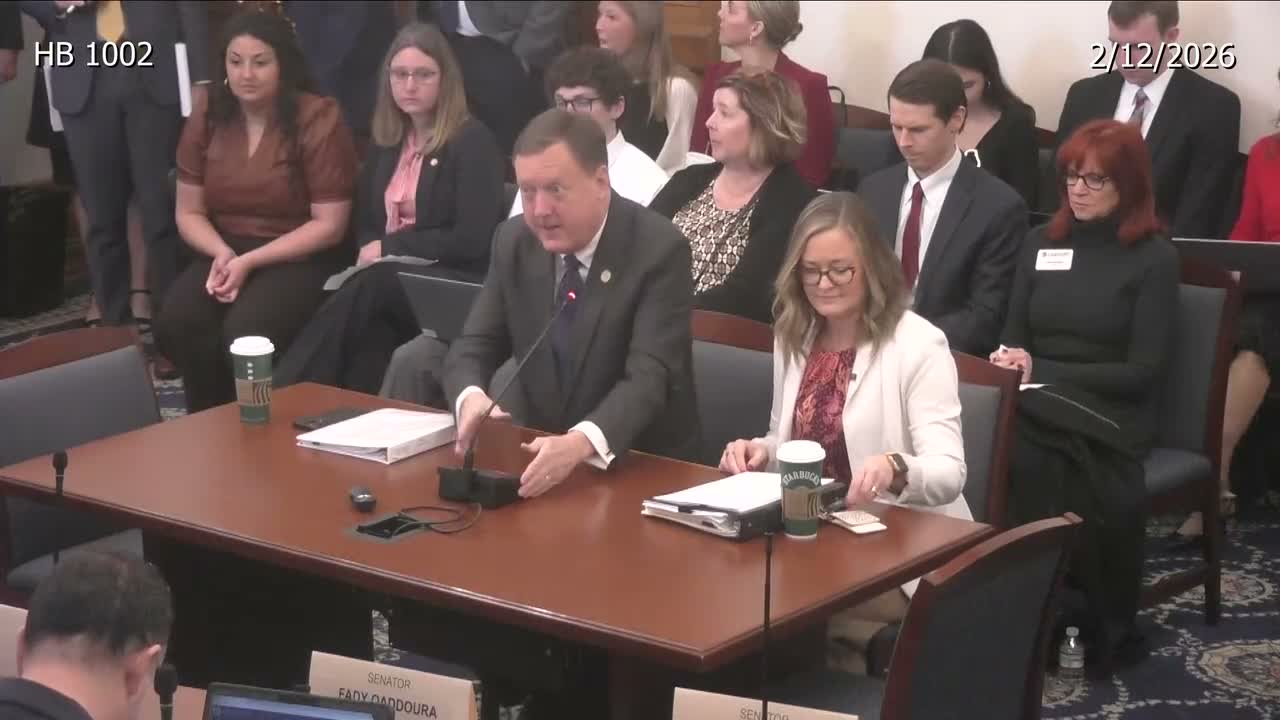
Committee advances performance‑based ratemaking bill after two failed consumer amendments
Summary
House Bill 1,002 would authorize multiyear performance‑based rate plans for utilities and include affordability and service‑restoration metrics; two amendments aimed at expanding payment plans and requiring more detailed bill line‑iteming failed, and the committee subsequently passed the bill 9‑0.
The Appropriations committee reviewed House Bill 1,002, a sponsor‑backed measure that would authorize performance‑based ratemaking (PBR) for utilities and authorize structured multiyear rate plans with annual performance incentive metrics.
The bill’s sponsor described PBR as shifting regulatory focus from reactive rate approvals to measuring utilities against performance metrics over multi‑year plans. Identified metrics in the draft included an affordability measure (comparing average residential electric bills to national trends) and a service restoration metric tied to outage response times. The bill also includes targeted consumer protections such as a levelized billing option for LIHEAP‑eligible customers with a penalty‑free opt‑out and safeguards for extreme weather.
Committee debate produced two notable amendment efforts. Amendment 34 would have required standard payment plans to be extended from six to 12 months and prohibited late fees for customers who comply with those plans; the mover argued the change would help constituents facing extended hardship. Opponents, including the bill sponsor, said utilities already offer varied plan lengths and that mandating a 12‑month plan could limit flexible consumer options. The amendment failed on a roll call (2‑7).
Amendment 35 sought additional billing transparency by requiring electricity suppliers to show rate information in cents on customer bills and in quarterly reports. The bill sponsor said that the scope of information requested could be operationally complex and would likely increase administrative costs passed to consumers; the amendment also failed (2‑7).
After debate and the failed amendments, the committee passed House Bill 1,002 by roll call, 9‑0.
What’s next: The bill will move from committee with the committee’s recorded passage. Implementation details — especially how metrics are established and how the Indiana Utility Regulatory Commission will exercise oversight — will be determined in rulemaking and commission proceedings.