Lifetime Citizen Portal Access — AI Briefings, Alerts & Unlimited Follows
Panel advances ILEA bill after extended debate and multiple failed amendments
Loading...
Summary
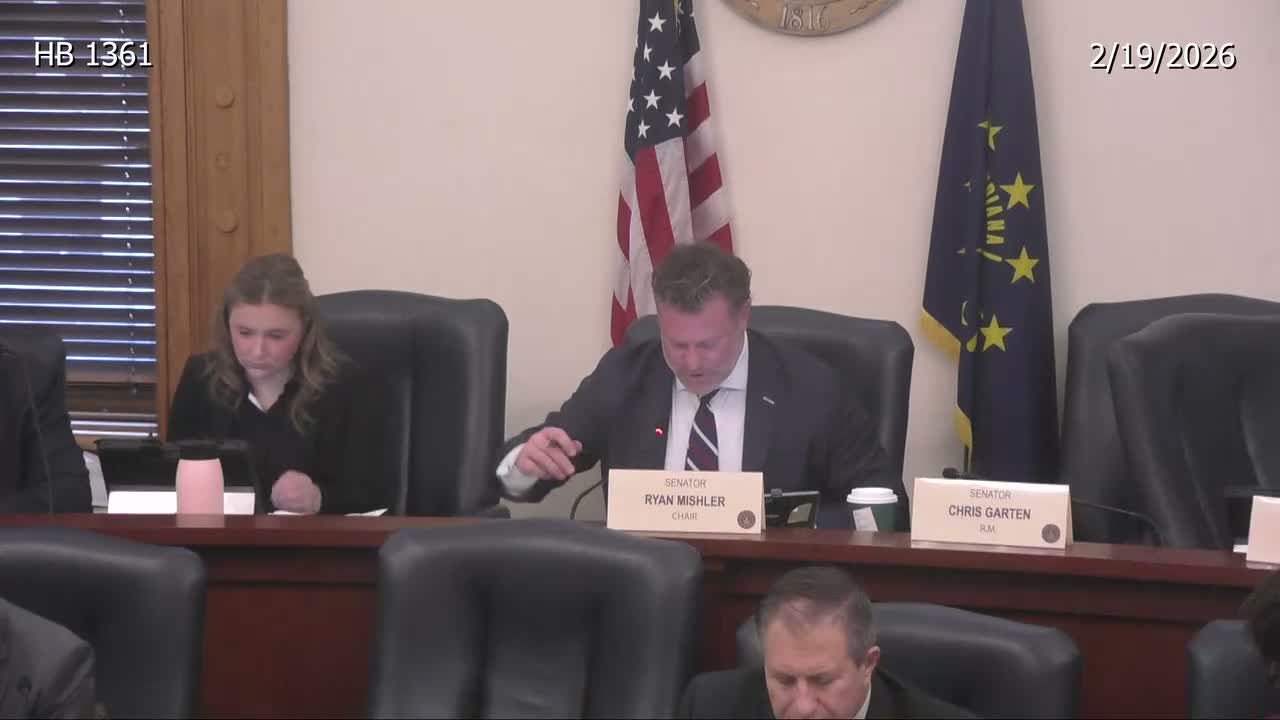
House Bill 14‑23, implementing recommendations from the Indianapolis Local Education Alliance to address IPS’s fiscal challenges through a new municipal corporation and governance changes, survived several floor amendments (31, 32, 33) after hours of debate and passed committee 10–3.
Lawmakers spent an extended portion of the committee hearing on House Bill 14‑23, a substantial package built on recommendations from the Indianapolis Local Education Alliance (ILEA) intended to create a new corporation to coordinate services, facilities and fiscal planning for Indianapolis Public Schools.
The bill’s sponsor described it as a multi‑part, vetted package to avert a projected fiscal cliff for IPS and to enable coordination of traditional public schools and charter/contracted schools. Multiple senators proposed amendments seeking more study or greater voter control.
Senator Cadore offered amendment 31 to delete the bill’s contents and send the matter to a summer study; he argued the General Assembly itself created many of the structural funding pressures and preferred a full study and bipartisan solutions. Amendment 31 failed 3–9.
Senator Cadore later proposed amendment 32, a five‑year moratorium on creating any new schools in Marion County, citing fiscal dilution and high charter closure rates; amendment 32 failed 3–10. He then proposed amendment 33 to require a two‑thirds community ballot to convert an elected board to an appointed advisory board; amendment 33 also failed 3–10.
Proponents argued the ILEA recommendations were thoroughly vetted and that the bill preserves local mayoral accountability while adding governance tools to avoid a larger state takeover. After debate and several recorded explanations of votes, committee members passed the bill 10–3.
Next steps: The bill will be placed on the Senate calendar; sponsors and opponents signaled they intend additional work in the coming days if the policy reaches second reading.