Get Full Government Meeting Transcripts, Videos, & Alerts Forever!
Get email alerts on the Childcare topic
No spam. Unsubscribe anytime.
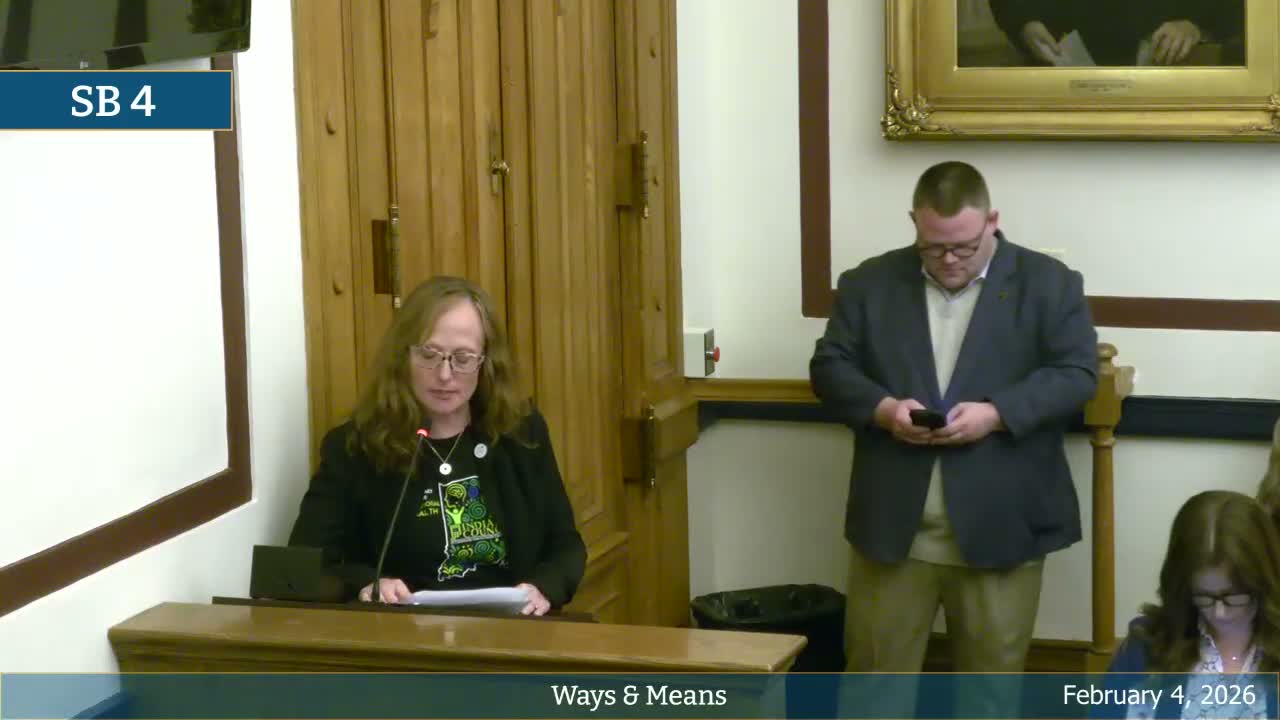
Committee hears broad support for SB4 to let state temporarily use 'Frog Fund' for CCDF vouchers amid childcare capacity crisis
Summary
Senate Bill 4 would allow the budget agency, with oversight, to repurpose or augment the Financial Responsibility & Opportunity Growth Fund for short‑term CCDF vouchers to address a wait list of roughly 33,000 children. Providers, chambers and child welfare advocates urged quick action to prevent closures and workforce impacts.
Senate Bill 4 authorizes the budget agency, with approval, to use a portion of the Financial Responsibility & Opportunity Growth Fund (often referred to in testimony as the "Frog Fund") to support Child Care and Development Fund (CCDF) vouchers as an emergency measure to stabilize childcare capacity. The bill’s sponsor framed the proposal as a temporary tool to help more than 33,000 children currently on the CCDF wait list and to prevent further provider closures.
Childcare providers, early‑childhood educators and statewide associations testified that programs are closing, staff have been reduced and that closures ripple across the economy by forcing parents out of work. A program director said she had to run the center on razor‑thin margins and that promised one‑time federal payments did not become ongoing funding, leaving a cliff. Multiple business groups, including the Indiana Chamber and regional economic organizations, supported the targeted use of Frog Fund dollars as a short‑term fix to keep parents employed and children in care while longer‑term solutions are developed.
Supporters urged specifying that the money be directed to CCDF vouchers and asked for legislative clarity to speed administrative use. Opponents were not prominent at the hearing; many witnesses emphasized the temporary nature of the funding and urged the committee to pair short‑term relief with a broader, longer‑term strategy for system stability.
The committee asked fiscal and implementation questions and the sponsor said he would follow up with additional details and memos for members.