Get Full Government Meeting Transcripts, Videos, & Alerts Forever!
Get email alerts on the Medicaid Finance topic
No spam. Unsubscribe anytime.
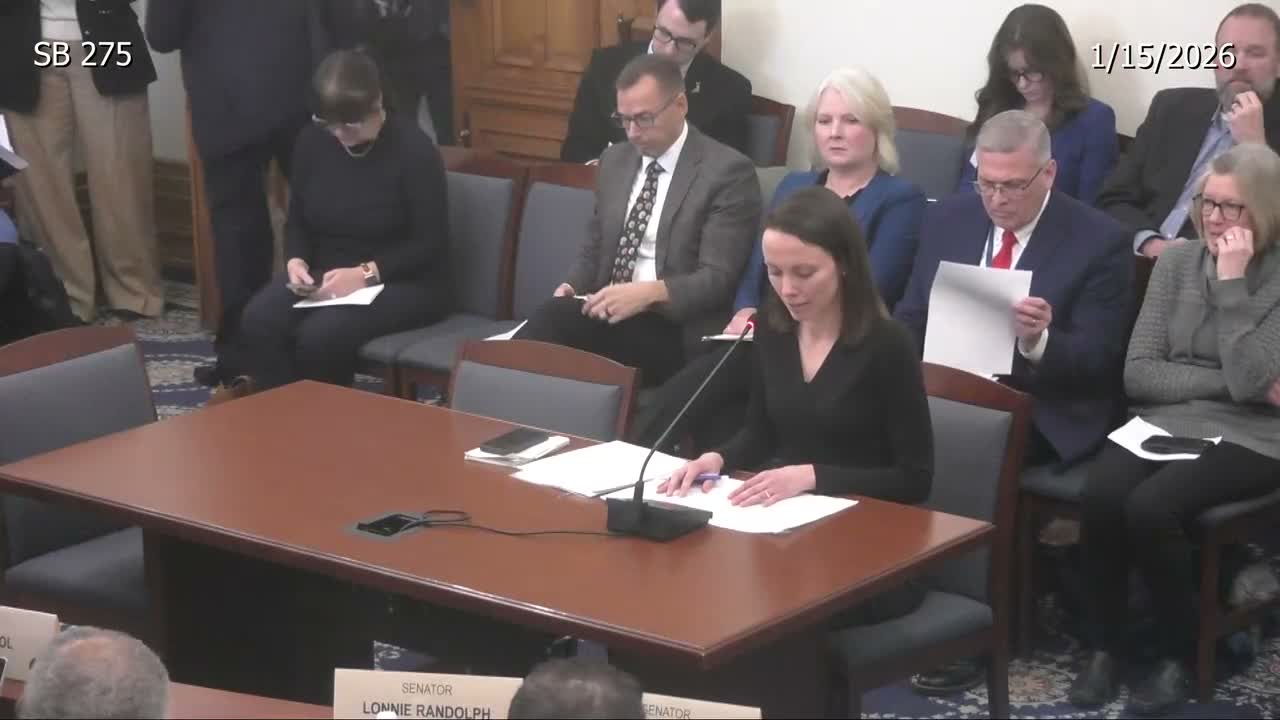
Committee passes bill to tighten Medicaid budget controls; home-health providers warn of access risks
Summary
Senate Bill 275, approved by the committee, would change Medicaid estate recovery timing, codify waiver budget updates, and allow more flexibility in reimbursement changes for home health services. Providers said removing statutory protections and shortening notice periods could force small agencies to close.
The Senate Appropriations Committee approved Senate Bill 275 after debate about Medicaid sustainability and provider protections. The bill would allow FSSA to recover against estates within 180 days after an estate is opened, codify an existing policy allowing waiver budget adjustments after qualifying events, revert certain income thresholds toward federal minimums for some programs, and shorten the statutory notice period for some provider reimbursement changes.
Liza Sherman, FSSA’s legislative director, said the package is aimed at fiscal sustainability and operational flexibility: “We want flexibility to pursue value-based payment and to manage growth in the program,” she told the panel. Agency testimony cited program growth and a need to remove statutory obstacles to rate and reimbursement adjustments.
Home health providers and industry groups opposed a provision that removes a statutory restriction on reducing home-health reimbursements and argued that shortening notice periods would destabilize small, rural agencies. Kitra Quarter, CEO of a small home health agency, told senators that Indiana has 349 active home-health agencies — 149 serving the 91 non‑Marion counties — and warned that cutting reimbursements would reduce provider availability, increase hospitalizations and harm patients who depend on in‑home care. “Cutting funding for preventative services like home health care … you are literally going to cause people to die,” she said.
The Indiana Home and Hospice Association and advocacy groups said the sector already faces delayed claims, payment denials and workforce shortages; they urged the committee to preserve statutory protections or identify other safeguards. Supporters argued the changes bring home health under the same administrative framework other provider types face and give the agency tools to respond to cost pressures.
The committee passed SB275 as amended; supporters argued the bill balances access and fiscal responsibility but opponents asked for stronger statutory guardrails to prevent abrupt rate cuts and to ensure network adequacy in rural areas.