Get Full Government Meeting Transcripts, Videos, & Alerts Forever!
Get email alerts on the Juvenile Firearms topic
No spam. Unsubscribe anytime.
Committee narrows juvenile firearm direct-file rules after hours of testimony
Summary
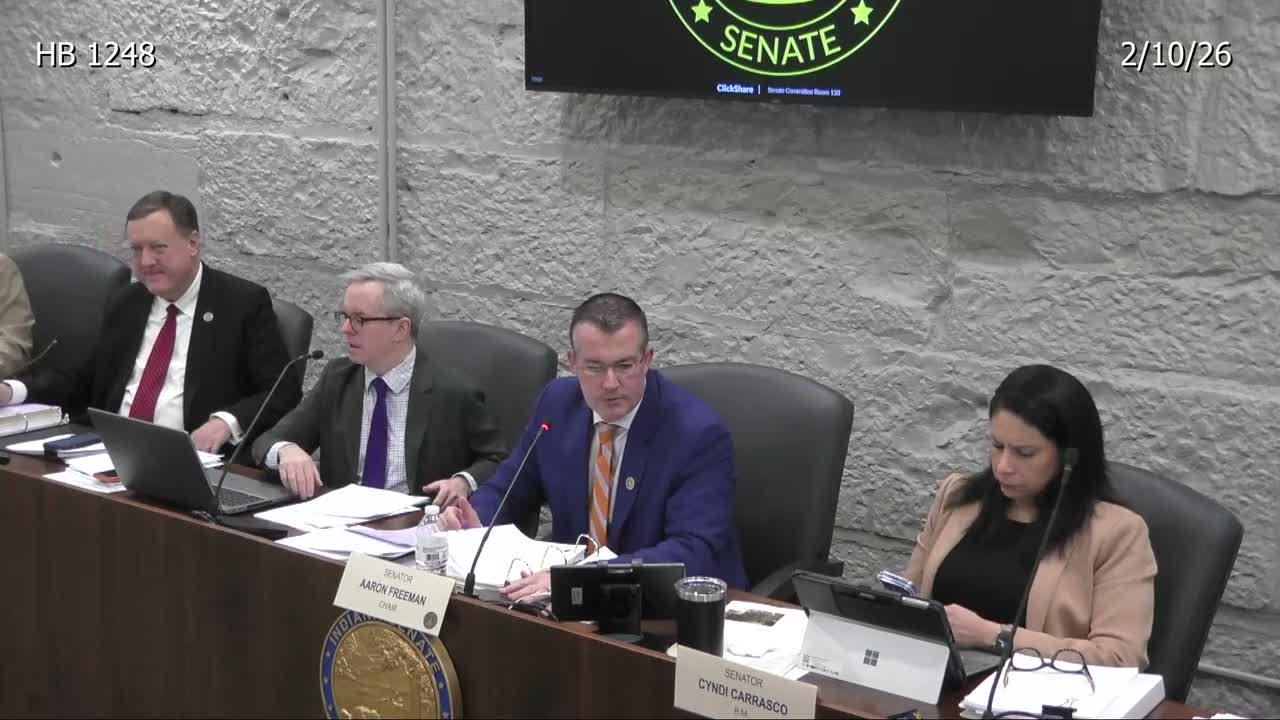
The Corrections and Criminal Law Committee advanced House Bill 12 49 with an amendment that narrows automatic adult filing for juvenile handgun possession — a change supporters say balances public safety and prosecutors’ concerns while opponents warn it risks sending youth to adult jails. The bill passed out of committee after extensive public testimony and a 9–0 committee vote.
House Bill 12 49 moved out of the Corrections and Criminal Law Committee on a unanimous 9–0 vote after lengthy debate about when 16- and 17-year-olds should be transferred to adult court for handgun-related offenses.
Representative Zimmerman, the bill’s sponsor, said the measure is intended to restore a pre-2024 rule that in specified circumstances allows a juvenile carrying a handgun to be direct-filed to adult court. The committee adopted an amendment that limits automatic direct filing to situations where the juvenile has a second handgun possession offense together with an underlying felony or when the offense occurs on school property or a school bus, rather than making mere possession an automatic adult-jurisdiction charge.
Supporters, including prosecutors and some lawmakers, argued the amendment threads a balance between holding repeat offenders accountable and avoiding needless adult prosecutions for isolated possession cases. The Vanderburgh County prosecutor and other county prosecutors described repeated hoarding and animal-cruelty cases in the same hearing but, on the juvenile possession topic, emphasized that repeat or felony-linked conduct can signal escalation and public-safety risk.
Opponents — public defenders, youth advocates and community organizations — warned that direct-file mechanisms remove developmentally appropriate juvenile court safeguards, increase the chance youths will be jailed in adult facilities, and exacerbate long-term collateral consequences such as loss of education and employment opportunities. Courtney Curtis of the Prosecuting Attorney’s Council and Zach Stock of the Public Defender Council both described heavy negotiation during drafting; IPAC told the committee it remained neutral on the amended bill but urged continued investment in prevention and youth services.
Multiple community witnesses, including Devin Rush (a formerly incarcerated person and community organizer) and representatives of youth mentoring organizations, urged funding for intervention and rehabilitation rather than expanded adult prosecution, saying that keeping jurisdiction in juvenile courts preserves access to programs that can reduce recidivism.
The committee’s chair said members are committed to further work and data review; senators on both sides expressed a willingness to continue negotiating safeguards and possible future amendments. The bill as amended now proceeds from committee with the chairman’s commitment to additional discussions and potential second-reading amendments.
The committee recorded the motion to move the bill as amended and the roll call vote at the end of the session (motion recorded in the minutes; vote 9–0).