Get Full Government Meeting Transcripts, Videos, & Alerts Forever!
Get email alerts on the Teacher Workforce topic
No spam. Unsubscribe anytime.
Senate discusses expanding licensure pathways for teachers and higher‑education reporting relief
Summary
Sen. Deary presented SB 204 to expand nontraditional teacher licensure and adjust higher‑education reporting and capital‑project thresholds; supporters praised pipeline expansions while unions and school boards expressed concerns about compensation rules and standards.
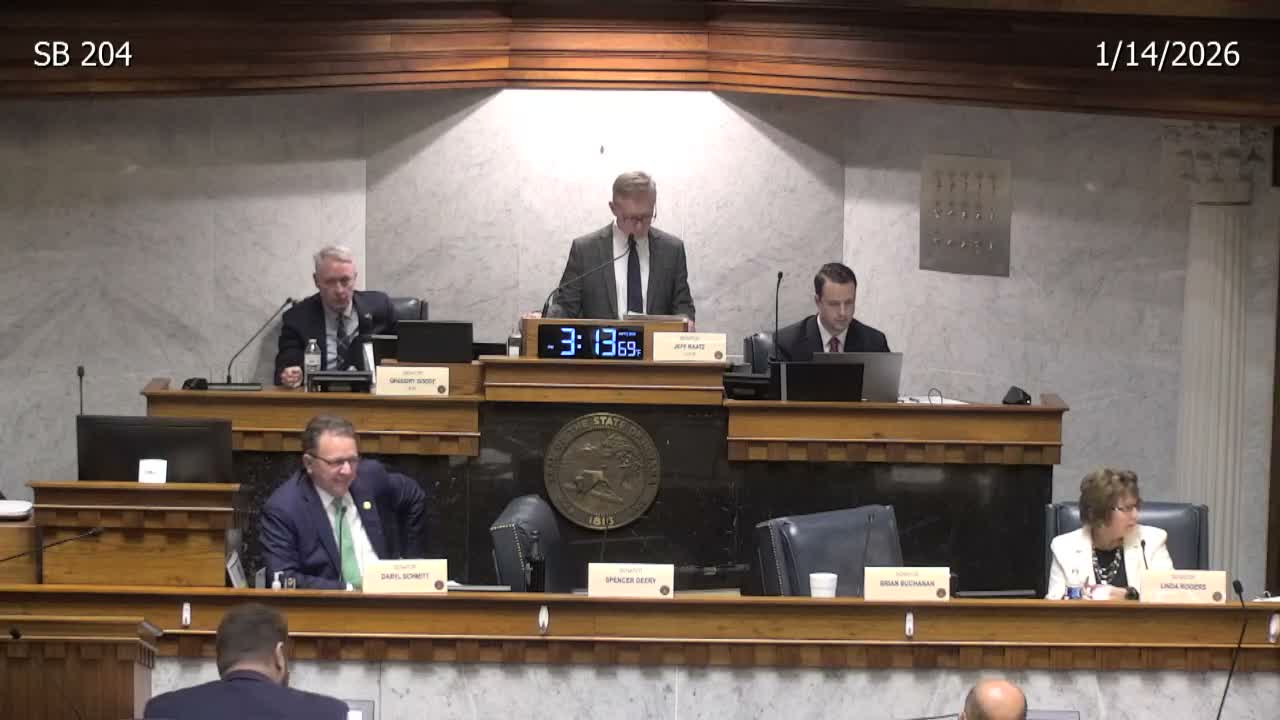
Sen. Deary told the Education and Career Development Committee SB 204 contains two primary components: a K‑12 package to increase the supply of qualified teachers (expanding an alternative pathway beyond STEM disciplines and creating a route for charter‑licensed teachers to obtain an initial practitioner's license), and higher‑education provisions to reduce duplicative reporting and increase the state‑review threshold for capital projects to $3,000,000, indexed to inflation.
Why it matters: Lawmakers said the changes aim to address teacher shortages and administrative burdens while preserving standards. The bill would allow experienced charter teachers who earn consecutive effective evaluations to move to a standard practitioner license, expand routes for nontraditional candidates to enter the classroom, and relieve higher‑education institutions of some duplicative reporting.
Supporters from non‑profit and higher‑education groups praised the licensure pathways. "We support opportunities that expand career pathways for educators and create opportunities for teachers to build their careers in Indiana's education system," said Anna Watson of Teach For America. The Institute for Equality Education and charter advocates also backed the licensure expansions as practical workforce steps.
Unions and some committee members raised objections about Section 4, which adjusts how school corporations define "academic need" for parts of teacher compensation. Joel Hand of the American Federation of Teachers of Indiana and other union representatives said mandating or narrowly defining academic‑need factors could micromanage local bargaining and risk undermining collegial collaboration. "If we set teachers up in a system where they have to compete against one another for raises, we are not going to encourage the collaboration that the teaching profession requires," Hand said.
Sen. Deary said the intent is not to punish teachers in challenging contexts but to close a loophole that has allowed local salary plans to count equal distribution of raises as the academic‑need factor. "I think we need to try and get away from that and make sure that we're considering the factors that will drive the best performance and recruit and retain the highest‑needed teachers," Deary said.
What the committee did: The committee heard the bill and testimony from higher‑education institutions, teacher organizations, charter groups and others. The panel did not take a final committee vote on SB 204 during this session; sponsors signaled plans for amendments and continued discussion on the academic‑need language.
Key concerns to watch: how the bill defines "academic need," whether expanded licensure maintains rigor across subject areas, and the higher‑ed capital threshold's fiscal and oversight implications.