Get Full Government Meeting Transcripts, Videos, & Alerts Forever!
Get email alerts on the Teacher Compensation And Accreditation topic
No spam. Unsubscribe anytime.
Committee debates teacher-performance language and advances SB204 after amendment votes
Summary
Senate Bill 204, addressing accreditation and program-closure timelines and proposing changes related to teacher-performance criteria, was debated and put to votes; one proposed amendment addressing bargaining-unit/performance language failed, and the amended bill passed 9–4.
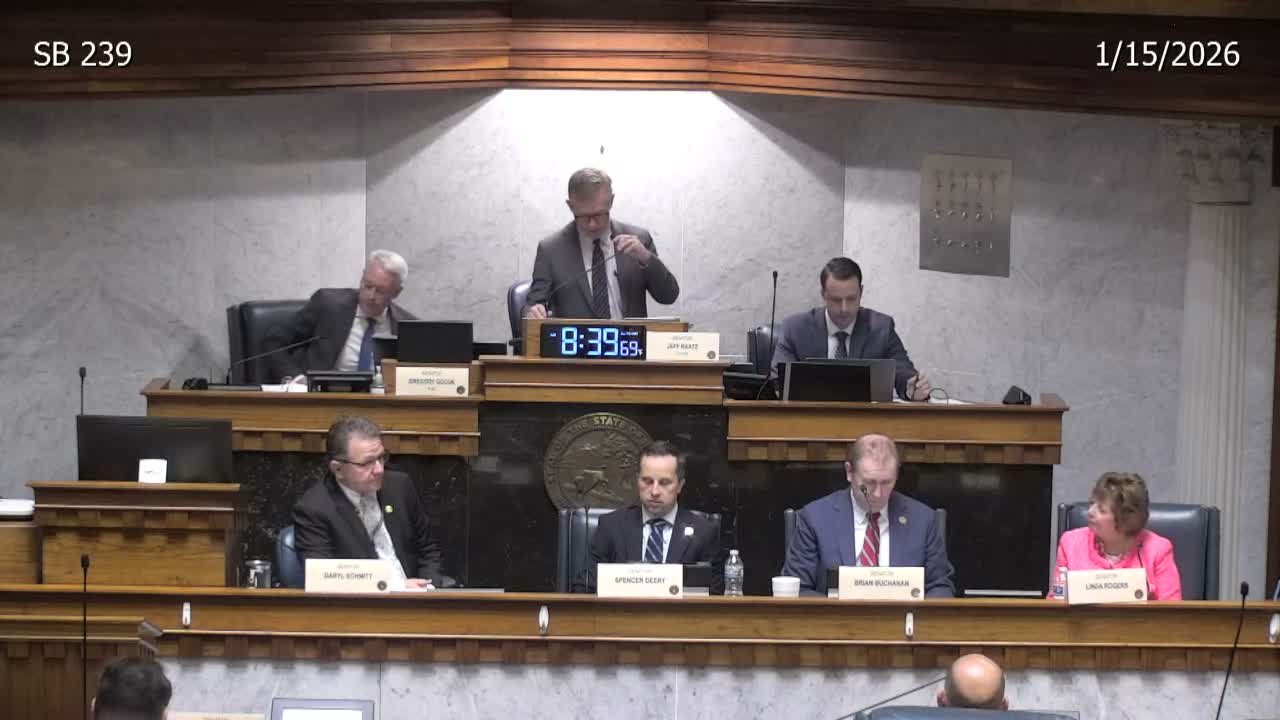
Senate Bill 204, considered after SB239, drew extended discussion over language tied to accreditation, program closings and a contested provision touching bargaining-unit and performance-based pay adjustments.
Senator Deary explained Amendment 4 as largely technical: aligning accreditation language with prior law, adding clarity and timelines for closing low-enrollment programs and allowing teach-outs, and setting effective dates in July 2027 for certain changes. He described the amendment as not altering policy intent but resolving conflicts in statutory text.
A committee member raised concerns about an included provision that would affect bargaining-unit policies and allow up to a 10% performance-related adjustment in raises under certain definitions. Opponents said the policy lacked sufficient input from educators, could have broad HR implications across districts, and was not fully tested; supporters argued the provision simply prevents existing statutory loopholes that skirt the 50% threshold and does not mandate competition-based pay.
The committee took a roll-call vote on the debated amendment; that amendment failed 4 to 9. After further motions and roll calls on the amended bill, the committee approved SB204 by a vote of 9 to 4. Senators who pressed for more deliberation said they reserve the right to revisit language as the bill progresses; supporters said the changes clarified statutory inconsistencies and included timelines intended to protect students during program closures.
The bill now advances from the committee and may be subject to further amendment in subsequent stages.