Get Full Government Meeting Transcripts, Videos, & Alerts Forever!
Get email alerts on the Special Education topic
No spam. Unsubscribe anytime.
Committee backs short-term ABA access measure for students transitioning into schools
Summary
HB 11-02 would allow a child’s board-certified behavior analyst or registered behavior technician limited access (30–90 days) to work with school staff during the transition from clinic/home ABA to the classroom. Sponsors and disability-provider groups supported the measure; school groups urged use of MOUs and technical clarifications.
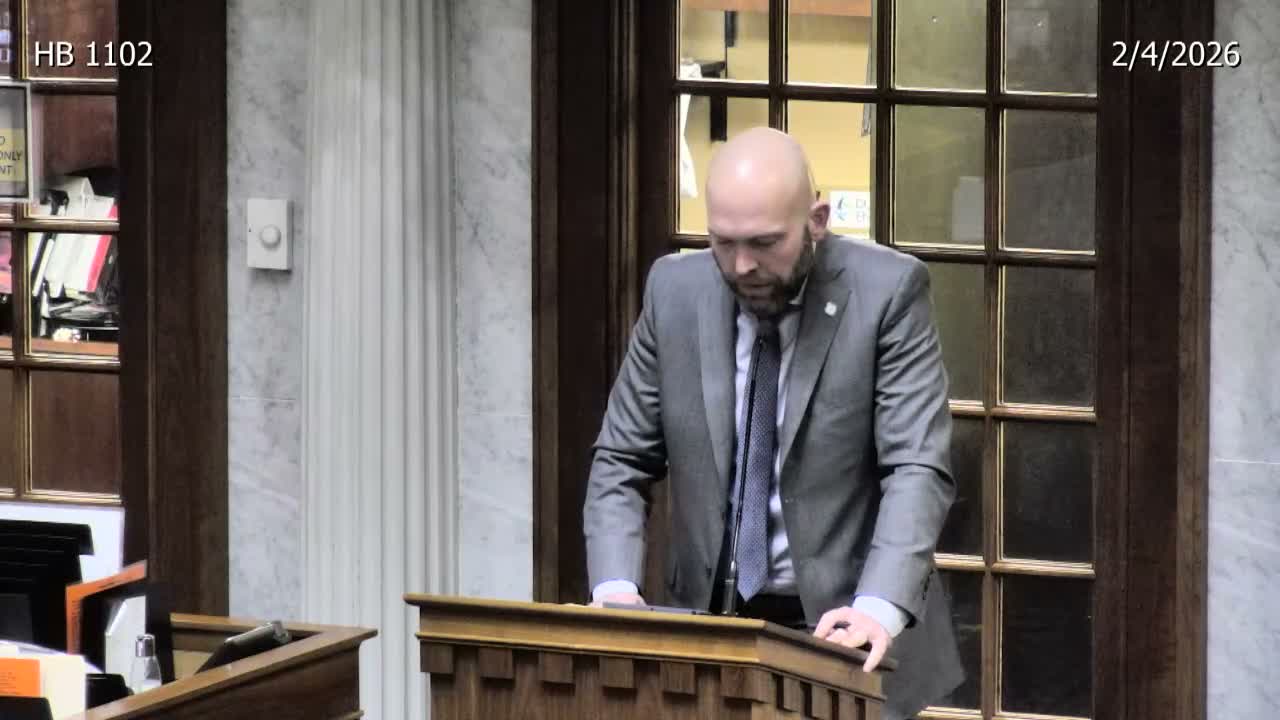
Representative Matt Green presented House Bill 11-02 as a focused measure to smooth transitions for children with autism spectrum disorder who move from intensive clinic- or home-based applied behavior analysis (ABA) into a K–12 classroom. The bill would permit a board-certified behavior analyst (BCBA) or a registered behavior technician (RBT) to work with the child and school staff for a short, defined period — no less than 30 days and no more than 90 days — while requiring expanded background checks and preserving schools’ authority over educational programming.
Sponsor and provider witnesses emphasized the bill’s limited scope. Tom Krishan of The Arc of Indiana said the bill “gives students continuity during a critical transition while giving schools time, structure and protection,” and Jason McManus of the Wabash Center said it “ensures that children who are exiting from autism clinics have the best transitional services and supports.” Supporters stressed that services remain clinical and billable to insurers or families unless schools voluntarily assume costs.
School-district groups supported the concept but asked the committee to favor MOUs rather than mandatory new contractual mechanisms and to clarify language referencing IEPs and the phrase “recently enrolled” to avoid unintended obligations for intra-district transfers. Committee members asked technical questions about the scope, liability protections and implementation guidance; sponsors said the language could be refined with transitional guidance from the Department of Education.