Get Full Government Meeting Transcripts, Videos, & Alerts Forever!
Get email alerts on the School Governance topic
No spam. Unsubscribe anytime.
Heated debate in Senate committee over plan to create Indianapolis Public Education Corporation
Summary
Lawmakers and the public clashed over HB 14-23, which would establish a mayor-appointed Indianapolis Public Education Corporation to manage facilities, transportation and performance standards across IPS boundaries. Supporters say it will improve transportation and equity; opponents say it strips local democratic control and risks fiscal harm.
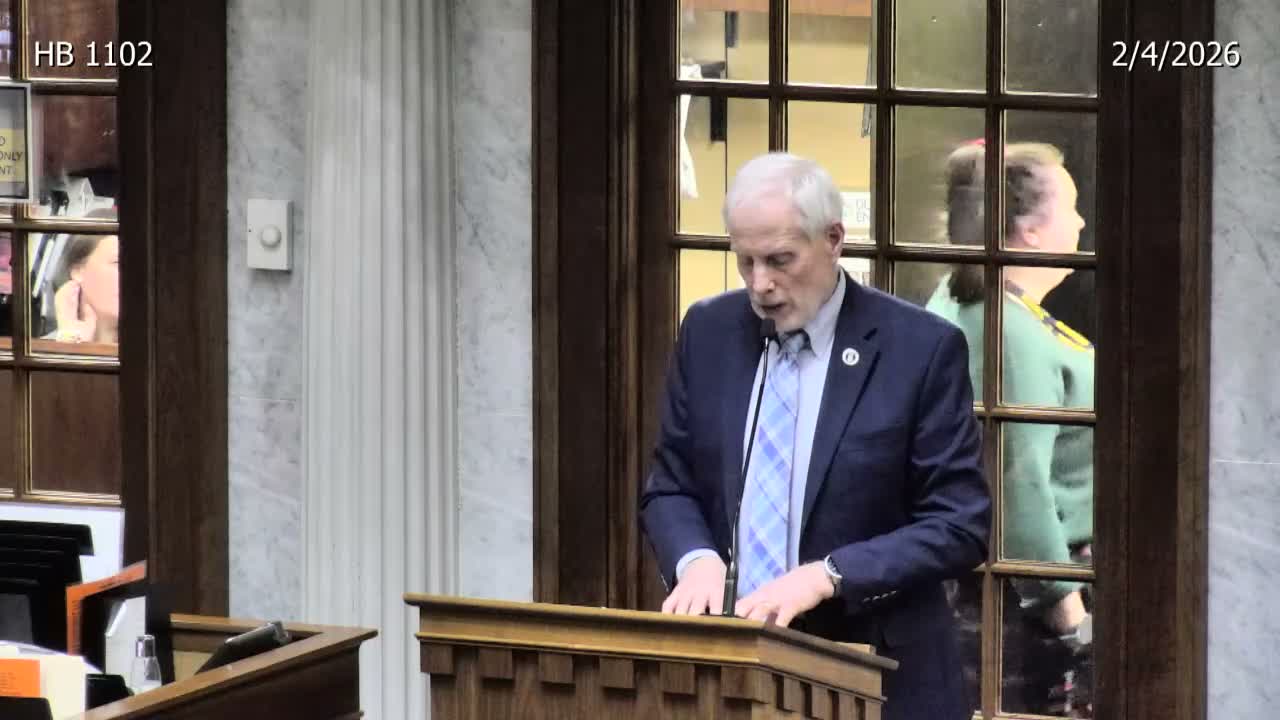
Representative Robert Behning, the bill’s sponsor, told the Senate Education and Career Development Committee that House Bill 14-23 would create “a municipal corporation called IPEC or Indianapolis Public Education Corporation” to manage facilities, transportation and a unified performance framework for public schools inside Indianapolis Public Schools boundaries. He said the nine-member board would include charter leaders, IPS commissioners and public members appointed by the mayor.
Supporters — including charter leaders, business groups and many parents in historically underserved neighborhoods — urged the committee to back the bill as a way to guarantee safe, reliable transportation and a single accountability framework across school types. Chris Boltman of the Indiana Math and Science Academy said the proposal would create “a shared transportation and facility system run by a neutral independent authority” that could improve routes and driver retention.
Opponents, including the elected IPS school board, teachers’ unions and many parents, criticized the measure as an erosion of local democracy and warned of fiscal risks. IPS School Board President Hope Duke Star said the bill “creates an accountability paradox” by taking authority from the elected board while leaving it responsible for student outcomes. Multiple speakers raised bond-rating, debt-transfer and timing concerns if the municipal corporation gained bond authority or received debt service levies before implementing operations.
The bill contains several contested features: the transfer of debt-service and capital-project levies to the new corporation effective March 31, 2026; an opt-out mechanism that allows some charter schools to decline certain facility participation; and timelines that would require feasibility reports and implementation planning through late 2027 and beyond. Supporters say the opt-out protects privately financed charter assets and preserves school autonomy; critics say it produces a two-tier system that would favor better-resourced charters.
The committee heard more than an hour of public testimony that broke sharply along lines of governance and trust. Devlin Wellington, a parent and education-policy analyst, warned that the package of bills could “create a system where public schools face impossible standards, unfunded mandates, and only one escape route” — a characterization the sponsor disputed. Michael O’Connor, who project-managed the Local Education Alliance that recommended the corporation model, described the proposal as an attempt to coordinate transportation and facilities and to “maximize efficient use of taxpayer dollars.”
The committee did not take a final vote on HB 14-23 during the hearing. Sponsors signaled willingness to refine governance, bond timing and opt-out language in follow-up work. The next steps are likely technical amendments and additional committee consideration.