Get Full Government Meeting Transcripts, Videos, & Alerts Forever!
Get email alerts on the Land Use Signage topic
No spam. Unsubscribe anytime.
Homer Glen trustees table request to keep 12-tenant plaza sign after debate over permits and business impacts
Summary
Trustees postponed a variance that would allow a multi-tenant sign with 12 panels at the Orland Oak Plaza, citing a planning-commission tie, unpermitted work and competing goals of enforcing code versus aiding small businesses; the board directed staff to revise findings and seek compromise.
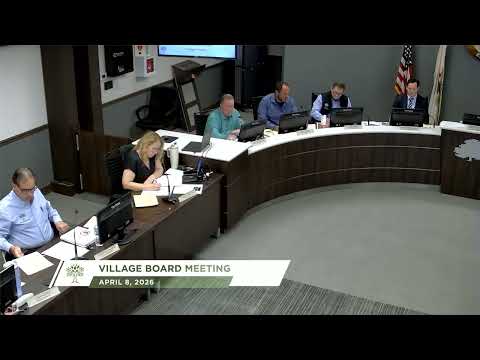
The Homer Glen Village Board voted to table a variance request for a multiunit sign at the Orland Oak Plaza after a lengthy debate about permitting, fairness to other businesses and ways to avoid hurting small tenants.
Trustees discussed the sign request, which sought permission for 12 tenant panels where the village code permits six. Board members said staff first noticed the sign had been altered from six to 12 panels on April 9, 2024, and that the Planning Commission’s 3–3 vote meant a supermajority of trustees was required to override that recommendation.
Trustee comments split along two lines. Several trustees endorsed stronger enforcement and said they were troubled that the property owner had changed the sign without applying for or receiving the required approvals. “If we keep giving leniency on this type of issue, it’s just going to keep happening,” one trustee said, arguing the board should not reward what appeared to be unilateral action that bypassed permitting rules.
Other trustees urged flexibility to avoid harming small businesses that rely on plaza visibility during substantial construction nearby. One trustee suggested retroactive penalties or a modest permit fee as a compromise that would hold the owner accountable without removing visibility for tenants. The board also discussed design changes — for example, splitting the tenant list across two sides of the sign — as a way to preserve readability while addressing ordinance concerns.
A tenant who identified himself as the pharmacy owner at the plaza told the board he had not received complaints from fellow tenants and that the expanded sign increased visibility for all businesses. “Everybody’s actually happy that their business is up there,” he said, adding that many tenants are small and rely on local exposure.
Because of the commission tie, the board chose to table the variance so trustees could refine the findings and consider conditions, fines or design alternatives. A motion to table was made, seconded and carried; trustees directed staff and legal counsel to update the findings and explore options that balance code compliance and small-business needs. The item will return to a future meeting after that work.
The decision leaves the existing sign situation unresolved for the short term; trustees said they preferred examining possible remedies (retroactive fees, uniformity conditions, or a second ground sign) rather than immediately ordering removal or reversing the sign change.