Get Full Government Meeting Transcripts, Videos, & Alerts Forever!
Get email alerts on the Public Comment topic
No spam. Unsubscribe anytime.
Public commenters press council on potholes, rec centers, police staffing and data-center cost worries
Summary
Speakers at the March 23 meeting pressed council on neighborhood potholes and rec‑center access, criticized police staffing and called for protections from potential electricity bill increases tied to hyperscale data centers.
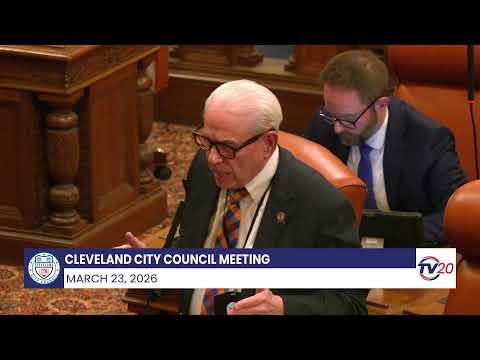
Several public commenters used the council’s public-comment period on March 23 to raise neighborhood service concerns and broader policy questions.
Sabrina Otis criticized what she described as restricted access to recreation centers and described repeated denials of vehicle-repair reimbursements and asymmetric refund rules for renters. She urged more inclusive town halls and community outreach and asked that the council not rush to remove services that benefit large parts of the city.
Darryl Houston criticized city leadership for perceived failures on school performance, maintenance of city vehicles and alleged hiring freezes, asking for greater accountability from elected leaders.
Matthew Saraczynski, a former police dispatcher and corrections officer, urged improved police staffing and responsiveness, saying backlog assignments prevent timely service and that better police protection would make the city safer.
Fauzi Badur raised concerns about proposed hyperscale data centers and the possibility they could increase residential electric bills (he cited a $70/month figure); he asked the mayor to negotiate with potential corporate tenants to prevent any utility-cost burden from falling on residents.
Council members and the mayor’s team did not adopt new policy during public comment but acknowledged the concerns and signaled they would follow up through committees and administration briefings as appropriate.
What’s next: Councilmembers said staff will be asked to follow up on public-works complaints, and some members flagged the need for additional outreach and information from departments on policing metrics and utility impacts tied to large developments.