UNFPA: 1.2 million displaced in Lebanon; maternal health services at risk as appeal is only 12% funded
Loading...
Summary
Leila Bakr, UNFPA regional director for Arab States, told journalists that more than 1.2 million people have been displaced in Lebanon, that attacks have damaged health infrastructure, and that UNFPA’s $12 million flash appeal is only 12% funded, risking shutdowns of essential maternal services.
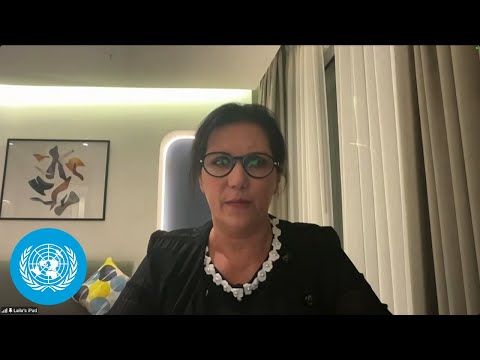
Leila Bakr, regional director for Arab States at the United Nations Population Fund (UNFPA), said the humanitarian situation in Lebanon has deteriorated sharply and warned that maternal and reproductive health services face imminent collapse without urgent funding.
“There are now over 1,200,000 people who’ve been displaced. 1,200,000 is 1 in 5 Lebanese,” Bakr said, and added that roughly 620,000 of those displaced are women and girls. She said UNFPA estimates about 13,500 pregnant women are among the displaced and that in southern Lebanon 1,700 pregnant women are currently cut off from essential maternal care. “Two hundred of them will give birth in the next 30 days,” she said.
Bakr said the health system has been directly affected by the fighting. “In the past month, more than 90 incidents have targeted health facilities, personnel, and ambulances,” she said. “Six hospitals have closed, five of them which have maternity wards. Sixteen facilities are damaged. Fifty-two primary health care centers are no longer functioning.” She framed those attacks as “grave violations of international humanitarian law” and urged all parties to protect civilians and health workers.
UNFPA has appealed for emergency funding to sustain services. “UNFPA’s $12,000,000 flash appeal is only 12% funded at the moment,” Bakr said, warning that without additional support essential health-care services could shut down by mid-April, leaving more than 225,000 women and girls without critical care. She added, “Every day of inaction costs lives.”
On the ground, Bakr described UNFPA’s response measures: deploying mobile health units, mobilizing midwives, providing psychosocial support in shelters, distributing baby and hygiene kits, and securing alternative supply routes, including the EU’s humanitarian air bridge, to maintain critical medical supplies and deliveries.
During a question-and-answer session, reporters pressed Bakr on social cohesion and whether attacks on health facilities were deliberate. Bakr said she was “not a politician or an investigator to determine the deliberateness of any attack,” but stressed the humanitarian consequences: overcrowded shelters with insufficient sanitation and diminished health-worker capacity.
She also said her conversations with displaced people showed strong, though fragile, solidarity within communities and a widespread wish to return home once a permanent ceasefire allows safe conditions. When asked about conditions in Palestinian refugee camps, Bakr said she observed welcoming attitudes and did not note discrimination in the shelters she visited.
Bakr closed by calling for a unified national response that puts women and girls “at the center” and for international partners to uphold humanitarian law and increase funding. She urged journalists to amplify the voices of displaced people and said UNFPA and partners will continue emergency work while advocating for durable protection and recovery.
The briefing ended with a reminder of the funding gap and the mid‑April timeline Bakr cited; UNFPA did not announce new pledges during the session.