Get Full Government Meeting Transcripts, Videos, & Alerts Forever!
Get email alerts on the Traffic Calming topic
No spam. Unsubscribe anytime.
Seaside staff recommends denying Trinity Avenue traffic calming; commission orders more data collection
Summary
Staff recommended denying a traffic‑calming application for Trinity Avenue after data showed an 80th‑percentile speed of about 21–22 mph and an evaluation score of 8/55; residents urged further action and the commission voted to return the application to staff for more targeted monitoring and alternatives.
City staff recommended denying a traffic‑calming application for Trinity Avenue after applying the city’s traffic‑calming scoring criteria, but commissioners directed staff to gather additional data and propose cost‑effective alternatives.
"Because of the lack of bike lane, the proximity of Trinity Park, and the wide lane, the total evaluation score was an 8 out of 55 total points," Aaron Hahn, junior engineer, told the commission, and added the 80th‑percentile speeds were 21–22 miles per hour. Hahn said the study found no collisions in the prior three years and that, per the program, documented vehicular speeding is required for further consideration.
Several residents, including a longtime neighbor who identified herself as Jacqueline, told the commission they regularly observe much higher speeds and pleaded for action. "It only takes 1 of those to kill a child," Jacqueline said, describing children who play at the park that encircles the roadway and urging the city to address what she called a safety hazard.
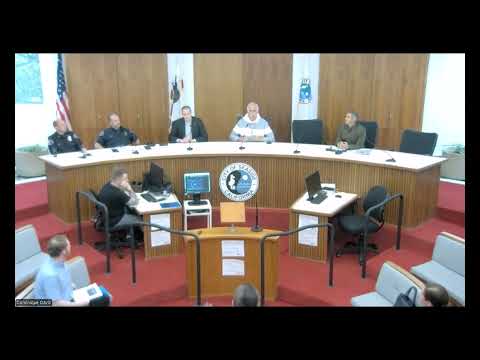
Commissioners questioned the placement and methodology of the speed counters and whether the city should retarget sensors. A committee member moved to send the application back to staff for further evaluation, including moving counters to the middle of the block and conducting a supplemental survey. The motion was seconded and approved by the panel.
Staff said it will notify the applicant by email and return with additional analysis and proposed, lower‑cost traffic‑calming measures (striping, targeted signage or pilots) for the commission to consider. The transcript records the recommendation, resident petitions and the commission’s instruction to pursue more targeted data collection.