Dr. Woods details Grant County tire amnesty, sharps-disposal plan and HIV case totals
Loading...
Summary
At a Grant County board meeting, Dr. Woods described an April 18 tire amnesty to reduce mosquito breeding, a plan to let tattoo parlors use a county sharps container to meet legal disposal requirements, and reported six new HIV cases in 2025 (97 countywide total). The board adjourned to an executive session on personnel matters.
Dr. Woods, speaking during division reports at a Grant County board meeting, said the county will hold a tire-amnesty day on April 18 to remove tires that can collect water and breed mosquitoes, and described other environmental-division efforts including a sharps-disposal arrangement for tattoo parlors and staff-led donations for people experiencing homelessness.
"So in 2025, there were 6 new cases reported," Dr. Woods said of HIV surveillance in the county, and added that the state reports HIV separately and therefore demographic breakdowns are not published for small counties. He said Grant County's total number of individuals with HIV is 97 and that the state treats the infection as a chronic condition rather than an episodic infectious disease.
The tire amnesty will be held at the county recycle center on Garthway Road. Dr. Woods said the solid-waste district covers disposal costs (noted in the meeting as about $6,000 per trailer) and will fund up to four trailers; last year three trailers were filled. He said residents may bring up to 10 tires per household. The county is working with the recycle center and community volunteers, and the Eastbrook high-school football team will help with moving tires as part of community service.
On sharps disposal, Dr. Woods said tattoo parlors are required by law to document safe disposal of sharps, and described a county practice allowing parlor owners to sign in and use the county's large sharps container that is emptied twice a month. He framed the step as a convenience designed to help small businesses meet regulatory requirements while keeping needles out of the community.
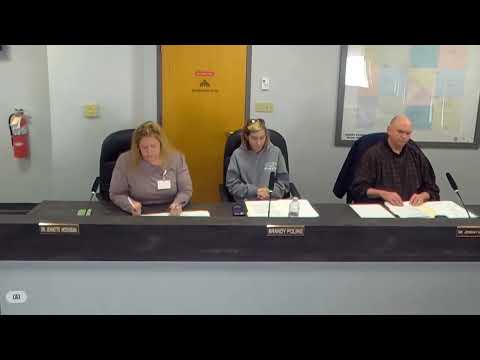
A board member opened the meeting to public comment; an attendee praised the brief meeting and the environmental and community work reported. The chair then announced the board would adjourn to an executive session to discuss personnel matters and closed the public portion of the meeting.
The meeting record does not specify individual votes by name or provide a demographic breakdown of the HIV cases; the county said the state withholds such specifics for small populations to protect privacy.