Lifetime Citizen Portal Access — AI Briefings, Alerts & Unlimited Follows
Caregivers tell Kings County supervisors wages are not livable, urge fair IHSS contract
Loading...
Summary
At the April 7 Kings County Board meeting, multiple IHSS caregivers urged supervisors to approve a fair contract and higher wages, warning that low pay is worsening a local caregiver shortage and hurting residents who rely on in‑home care.
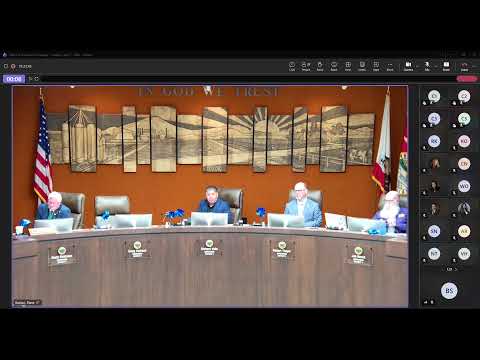
At the April 7 Kings County Board of Supervisors meeting, three caregivers addressed the board during public comment, urging supervisors to approve a fair In‑Home Supportive Services contract and increase caregiver pay.
"I love my profession, but I often struggle to make enough," Julio Godinez, a caregiver with SEIU Local 2015, told the board. Godinez described caregivers who must choose between buying groceries and paying bills, and said rural areas like Kings County are “exploding” with need for care.
Veronica Ramos, who said she cares for a woman with mental‑health and physical‑health challenges, said Kings County is "in a care crisis" and that "we don't have enough caregivers, and that's because wages aren't livable." Tasha Hall, an IHSS provider who has cared for her mother with dementia for eight years, said she and other providers need a fair contract so workers remain available to provide long‑term care.
Speakers framed the issue as both a worker‑pay problem and a service‑capacity problem: low wages, they said, reduce the number of people willing to do demanding caregiving work, which in turn constrains services for elderly and disabled residents who rely on IHSS.
The board did not take action on a contract during the meeting. At the start of the public‑comment period the chair reminded speakers that the board "will not answer questions impromptu" and that concerns or complaints would be referred to staff for follow up. No vote or motion on the IHSS contract was recorded in the public minutes of this session.
What happens next: supervisors did not vote on a caregiver contract at the April 7 meeting; the board will refer the concerns to staff and the public may see follow‑up at a future agenda when contract details are scheduled for formal consideration.