San Ramon parks commissioners approve 2026–2030 Cultural Arts Plan after community-driven process
Loading...
Summary
The Parks and Community Services Commission approved a five-year Cultural Arts Plan (2026–2030) that outlines six focus areas and 32 recommended actions, with nine priority items for year one; commissioners emphasized implementation, staffing limits and outreach.
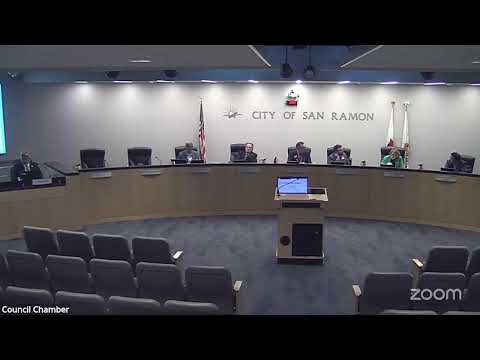
The San Ramon Parks and Community Services Commission voted unanimously (6–0) on April 8 to approve a five-year Cultural Arts Plan covering 2026–2030, adopting a staff recommendation that the commission receive the report, provide feedback and approve the plan as a guiding document for arts programs, facilities and outreach.
Adam Chiles, recreation supervisor, told the commission the plan was developed over several years of public engagement — two art summits and community surveys — and offers six focus areas (exhibition and performance spaces; artist advancement; community arts collaboration; quality arts programs; support for arts programs; communication and outreach) and 32 recommended actions. “This is really about the implementation,” Chiles said, describing a phased approach with annual priorities set by staff and the Arts Advisory Committee.
Chiles highlighted near-term priorities that staff and the Arts Advisory Committee identified for year one, including creating a process for temporary community murals in city facilities, exploring updates to the Cultural Growth Grant program and reviewing facility use at the Dougherty Station Community Arts Center and Dougherty Valley Performing Arts Center. He said the plan will prioritize nine actions in the first year while keeping flexibility to respond to changing community needs.
Commissioners pressed staff on capacity and funding. Commissioner Shetty asked whether current staffing would support the work; Chiles said the department expects existing staffing (one full-time position plus part-time program support and supplemental hours) to be sufficient for the first year but acknowledged that additional capacity, sustainable funding sources and annual evaluation will guide later years. Commissioners also raised program-access concerns — noting that ceramics was the top program request in surveys (more than half of respondents named ceramics as a priority) and that rental pricing at the city’s smaller theater (about 104–105 seats) can limit access for small groups.
The Arts Advisory Committee’s chair, Ranjini Benkadachari, spoke in public comment in support of the plan, thanking staff and the committee for a collaborative process. “This process was deeply enriched by valuable feedback from the community,” Benkadachari said.
The commission approved the plan by voice vote and directed staff to proceed with phased implementation and annual reporting to the commission. Staff said they will return with more detailed lists of the year-one priorities, potential funding options and steps to measure progress.
What happens next: staff will begin implementing the year-one priorities, continue Arts Advisory Committee involvement, and report back on implementation progress and any resource needs in future commission meetings.